

People + External Support Systems: Maybe You’re Not Meant To Carry Everything Alone
By Maraya Pena, Marriage and Family Therapist, Intern
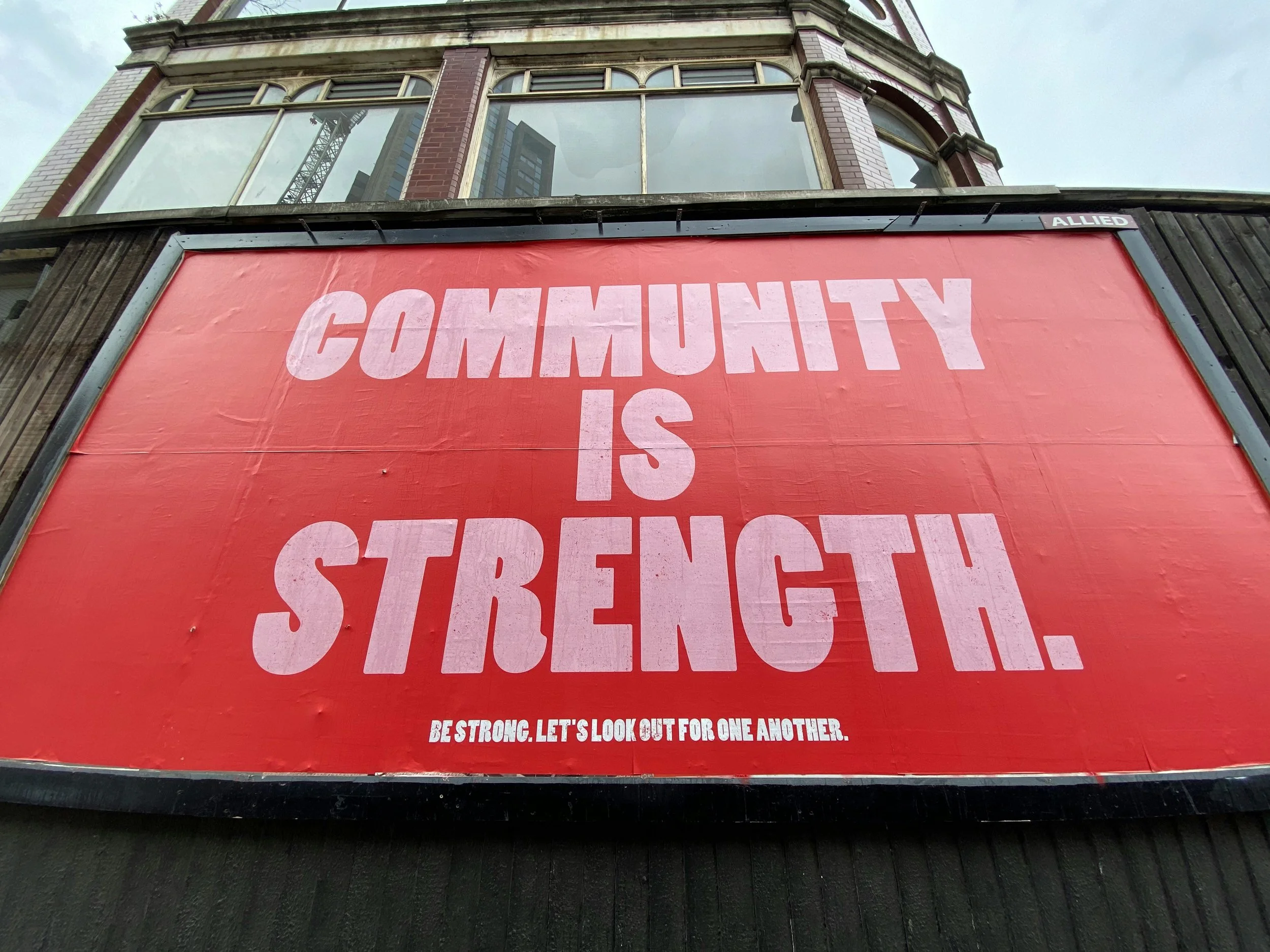
There is a common belief that strength means doing everything on your own. This belief maybe could have been formed through our very real experiences, cultural hierarchies, and through the stressful demands that life has brought.
Doing things on your own could mean handling it, figuring it out, not asking for help, being the dependable one, and needing very little from other people. Most of us learn, directly or indirectly, that independence is something to be proud of.
While independence can absolutely be a strength, sometimes it can turn into quiet isolation. Sometimes we become so used to carrying everything ourselves, any form of support beings to feel unfamiliar, uncomfortable, or even undeserved in our subconscious.
Maybe we were never meant to meet every need alone.
Support Doesn’t Always Have to Come From Within
Over the last couple of weeks, we have talked about different ideas of supportive systems. That can look like the way you speak to yourself, care for your body, or create steadiness from within.
These things are important, and as multilayered people, they are only part of the bigger picture. Sometimes support comes from outside of you. This is not a sign of incapability, but a reminder that we are just human.
External Support is More than Asking for Help
When people hear “external support”, they often think of asking someone for help. External supportive systems can often me much broader than that. Some examples could be:
calendars
reminders
visual schedules
body doubling (a personal favorite)
therapy
community groups
accountability
coworkers
neighbors
spiritual communities
family
trusted friends
simplifying your environment
routines that reduce mental load
These supports don’t replace your strengths, but they often support them.
Not Every Relationship Meets Every Need
One of the biggest sources of disappointment is expecting one relationship to provide every type of support. Sometimes we hope a friend will always know exactly what to say, or we wish family could provide emotional safety. Or maybe we expect a partner to meet every emotional, social, and practical need we have.
The reality is, sometimes they can. Sometimes they simply can’t.
That doesn't automatically mean the relationship has failed, but maybe there is room to recognize that relationship serves a different purpose.
Different People Can Meet Different Needs
One idea I often explore with clients is that support doesn't have to come from one person.
Instead of asking:
"Why aren't they everything I need?"
it can be helpful to ask,
"What kind of support does this relationship naturally offer?"
Maybe you have a friend who makes you laugh, and another who gives thoughtful advice. Maybe you know who is reliable when it counts, or someone who enjoys adventure when life gets too serious.
There could be someone who understands your culture, and someone else who checks in with you consistently and encourages your growth. Or someone who simply sits with you without trying to fix you.
None of these people have to be everything. Together, they become part of your support system.
Therapy is One Type of Support.
Therapy is not meant to replace relationships but it is one supportive system among many.
For some people, therapy becomes a place to practice:
naming needs
recognizing patterns
building healthier boundaries
understanding emotions
exploring identity
increasing self-trust
strengthening relationships outside the therapy room
The goal can be helping you build a life with more support inside and outside of therapy.
Support and Anxiety
When anxiety is present, it often tells us to keep everything inside and avoid burdening people. It also might fuel overthinking before reaching out or convince ourselves we should be able to figure it out alone.
Support interrupts that cycle.
Sometimes hearing,
"That makes sense."
is enough to help your nervous system soften.
The problem might not disappear, but you no longer feel alone inside it.
Support and ADHD-Related Concerns
Supportive relationships can also play an important role for individuals navigating ADHD-related concerns.
External support might include:
accountability
body doubling
reminders
shared calendars
understanding from trusted people
flexibility
collaborative problem-solving
These supports reduce unnecessary barriers so energy can be spent on what matters most. Support is not cheating, but it can be a strategy.
Community Is a Form of Care
Sometimes we underestimate how healing it is to simply feel understood or to be around people who don't require constant explanation.
Someone who respects your boundaries, celebrates your wins, and who reminds you who you are when you've forgotten.
Community doesn't erase pain or stress, but it can make it feel less lonely.
A small reflection:
Take a moment to think about the people in your life.
Instead of asking:
"Who should be meeting all my needs?"
Try asking,
"What kind of support does each relationship naturally offer?"
You might discover that your support system is larger and more diverse than you realized.
Or you may notice where there are genuine gaps. Both observations are valuable.
Final Thoughts
Support doesn't only come from within. Healthy relationships, community, routines, and practical tools can all become supportive systems that reduce overwhelm, increase connection, and help us move through life with greater steadiness.
Ready to Take the Next Step?
If this resonates with you, therapy can be a place to begin reconnecting with yourself in a deeper and more intentional way. Whether you are feeling stuck in old patterns, disconnected in your relationships, or unsure of who you are in this season of life, support is available.
Reach out through the contact page to schedule a consultation and take your next step toward healing.

About The Author
Maraya Pena is the founder of One Percent Counseling, LLC. She helps individuals and couples navigate anxiety, relationship challenges, emotional overwhelm, and life transitions with greater clarity, self-awareness, and connection. Her approach is grounded, compassionate, and focused on helping clients create meaningful change one step at a time.