

Resources for Small, Meaningful Change
Practical reflections on anxiety, relationships, self-worth, ADHD, supportive systems, and values-based living.
The One Percent Counseling blog is a space to slow down, get curious, and explore the small shifts that can support meaningful change in everyday life.
Here you'll find reflections and practical tools related to emotional health, relationships, self-trust, ADHD-related experiences, supportive systems, and intentional living.
You don't have to read everything or know where to begin. Start with what feels relevant to you right now.
Carry Forward
Close out the Reset & Regroup series by reflecting on what you've learned, what supports you, and what you want to carry forward—without pressure to have everything figured out.
By Maraya Pena, Marriage and Family Therapist, Intern
Move Into What’s Next Without Needing Everything Figured Out
We’ve spent this month talking about resetting and regrouping, but not in the way we often hear about a “reset.”
There was no expectation to completely reinvent yourself. No pressure to create a perfect routine, become more productive, or suddenly have everything figured out. Instead, we started with something much smaller: paying attention.
We paused before pushing forward. We noticed what actually needed our attention. We gave ourselves permission to adjust things that weren’t working anymore. And now, as we close this series, there’s one more question worth exploring:
What do you want to carry forward with you?
A reset doesn’t have to end with a brand new version of yourself. Sometimes it simply leaves you knowing yourself a little better than you did before.
You Don't Need to Have Everything Figured Out
It can be tempting to think that reflection should eventually lead to certainty. If we spend enough time thinking, journaling, processing, or planning, maybe we’ll finally know exactly what we’re supposed to do next. The reality for most is that life rarely gives us that kind of clarity.
You might know that something needs to change without knowing exactly what the change should look like. You might recognize that a relationship needs a different boundary but still feel nervous about communicating it. You might know you want to pursue something meaningful while also feeling unsure whether you’re ready. You might understand what supports you better and still have days when you don’t use those supports.
None of that takes away from the awareness you’ve built.
Sometimes moving forward means allowing yourself to take what you know right now and letting the rest become clearer as you go.
Notice Before You Look Ahead
Before thinking about what comes next, it can be helpful to notice what this season has already taught you.
Maybe you’ve realized you need more rest than you've been allowing yourself. Maybe you've noticed that certain relationships leave you feeling supported while others consistently leave you depleted. Maybe you've learned that your routines work better when they're flexible. Maybe you've recognized that you need external reminders, more structure, creative time, movement, connection, or simply more space.
You may have also learned what doesn't work for you. That information matters too!
We don't have to label every difficult experience as a lesson or find a positive meaning in everything that happens. But when we do notice something about ourselves or our needs, values, boundaries, capacity, or patterns, we then can choose what we want to do with that information.
Sometimes growth isn't immediately visible from the outside. It might simply look like recognizing something sooner than you used to.
Keep What Supports You
When we're focused on growth, it's easy to spend most of our attention on what needs improvement:
What do I need to change?
What am I doing wrong?
What should I be doing more consistently?
resetting and regrouping can also include identifying what you don't want to change.
Maybe you've created a routine that makes mornings a little easier or you've gotten better at reaching out when you need support. Perhaps this season has started protecting time for something that brings you joy or you've found a voice that is becoming more comfortable saying no. Maybe you've found a way of organizing your responsibilities that actually works with your brain instead of constantly fighting against it. Sometimes the next step is simply continuing to nurture what's already helping.
Progress Can Be Easy to Miss
One reason progress can be difficult to recognize is because we often expect it to look like an outcome.
We think progress means the anxiety disappeared, the relationship became easier, the routine became consistent, the decision was made, or the problem was solved.
But progress can happen before any of those things.
Maybe you still experience anxiety, but you notice it sooner or you still have the uncomfortable thought, but you don't automatically believe everything it tells you. Maybe you still struggle with a boundary, but you're beginning to recognize when one is needed or you are still figuring out what you want, but you're asking yourself instead of automatically looking to everyone else for the answer.
Progress can also look like recovering differently after a difficult day, asking for help earlier, recognizing when you're overwhelmed, or allowing yourself to adjust an expectation instead of immediately criticizing yourself.
Sometimes the change is not that something difficult stopped happening. It's that your relationship with it started changing.
Moving Forward With Uncertainty
A common expectation that many of us have experienced is the belief that confidence needs to come before action. For example:
once I’m confident, I’ll apply
once I’m less anxious, I’ll have the conversation
once I know I’m making the right decision, I’ll move forward
once I stop being afraid of rejection, I’ll put myself out there.
Waiting for uncertainty to completely disappear can keep us waiting for a very very long time. It’s not a requirement to pretend that you aren’t scared, anxious, uncertain, or uncomfortable. Sometimes acknowledging the discomfort also comes with continuing to choose what matters to you. Two things can actually coexist:
you can feel uncertain and still take a small step.
you can be nervous and communicate a need.
you can fear disappointment and still allow yourself to connect.
you can question yourself and still practice making your own decision.
Reset & Regroup Check-In
As we’ve done throughout this series, take a moment to return to the five Reset & Regroup questions. You don’t have to answer all of them at once. Simply notice what comes up.
1. What am I noticing right now?
What has been showing up emotionally, relationally, physically, or mentally?
2. What feels supportive—and what feels draining?
What has been giving something back? What has been requiring more from you lately?
3. What matters to me in this season?
What do you want your energy, choices, and attention to reflect?
4. What might need adjusting?
Is there an expectation, routine, boundary, relationship dynamic, environment, or support that could fit you better right now?
5. What’s one small step I can take?
Not the perfect solution or the entire plan. What’s one adjustment you could experiment with?
Small Steps. Meaningful Change.
Final Thoughts
One of the reasons I wanted the Reset & Regroup Check-In to remain the same throughout this series is because our answers aren't meant to stay the same. Life changes, our needs change, our capacity changes, and what matters to us can shift.
The point of checking in isn't to find the “correct” answer and stick with it forever. It's to create a practice of returning to yourself.
You can ask these questions when life feels overwhelming. You can return to them during a transition, after a difficult season, when something feels off, or simply when you've been moving so quickly that you haven't checked in with yourself for a while.
You don't need to wait until January, Monday, your birthday, or some imaginary perfect starting point.
You can pause and regroup whenever you need to.
Your Final Reset & Regroup Check-In
As we close this series, return to the same five questions we've used throughout the month. This time, notice whether your answers have changed since Week 1.
1. What am I noticing right now?
What thoughts, emotions, needs, or patterns have been showing up lately?
2. What feels supportive and what feels draining?
What do you want to continue making space for? What might need less of your energy?
3. What matters to me in this season?
What values, relationships, experiences, or parts of yourself do you want to stay connected to?
4. What might need adjusting?
What have you learned about what fits your life right now—and what doesn't?
5. What's one small step I can take?
Based on everything you've noticed, what's one realistic way you want to move forward?
Frequently Asked Questions
Is it normal to feel behind halfway through the year?
Yes. Life changes, priorities shift, and unexpected challenges can affect the goals we set earlier in the year. Feeling behind doesn’t necessarily mean you’ve failed. It may be an opportunity to pause, reflect on what has changed, and decide what matters to you now.
How do I reset my life without starting over?
A reset doesn’t have to mean beginning from scratch. It can simply mean taking inventory of what’s working, noticing what isn’t, and choosing one intentional next step that fits your current needs and values.
What’s the difference between a reset and a restart?
A restart can imply going back to the beginning. A reset allows you to bring your progress, experiences, and lessons with you while making adjustments based on where you are now.
What does it mean to live with intention?
Living with intention means becoming more aware of what matters to you and allowing those values to influence your choices. It doesn’t require having everything figured out. Sometimes intentional living starts with one small decision that moves you toward what matters.
Ready to Take the Next Step?
If this resonates with you, therapy can be a place to begin reconnecting with yourself in a deeper and more intentional way. Whether you are feeling stuck in old patterns, disconnected in your relationships, or unsure of who you are in this season of life, support is available.
Accepting New Adult Clients in Nevada
If you're navigating anxiety, relationship challenges, ADHD-related concerns, life transitions, or simply feeling disconnected from yourself, therapy can be a space to pause, regroup, and move forward with greater intention.
In-person in Henderson, NV
Telehealth throughout Nevada
One Percent Counseling
Small Steps. Meaningful Change.
Reach out through the contact page to schedule a consultation and take your next step toward healing.
Disclaimer
This blog is for educational and reflective purposes only and is not a substitute for therapy, medical care, or individualized mental health treatment.

About The Author
Maraya Pena is the founder of One Percent Counseling, LLC. She helps individuals and couples navigate anxiety, relationship challenges, emotional overwhelm, and life transitions with greater clarity, self-awareness, and connection. Her approach is grounded, compassionate, and focused on helping clients create meaningful change one step at a time.
Allowing Yourself To Adjust
Explore how small, intentional adjustments to routines, expectations, boundaries, relationships, and supportive systems can help you move forward without feeling like you have to start over.
By Maraya Pena, Marriage and Family Therapist, Intern
You’re Allowed to Adjust
Sometimes we keep doing something simply because it used to work. Maybe it’s a routine that once helped us feel grounded, a boundary that made sense during a different season, a schedule we created when we had more capacity, or an expectation we’ve carried for so long that we stopped asking whether it still fits. Different seasons might require different tools in our toolbox.
When something stops working, our first response can be to try harder. We might tell ourselves we need to be more disciplined, more consistent, more organized, or simply do more. But sometimes the problem isn’t that we aren’t trying hard enough. Sometimes something simply needs adjusting.
That’s part of resetting and regrouping, too. Not starting over or completely throwing everything away. Just giving ourselves permission to notice what no longer fits and consider what might support us better now.
From Awareness to Adjustment
During the first two weeks of this series, we’ve intentionally taken our time. First, we paused before pushing ourselves forward. Then, we explored what actually needs our attention. This week, we can begin asking a new question: What might need to shift?
There’s an important difference between noticing something and immediately trying to fix it. Awareness gives us information, adjustment gives us an opportunity to respond to that information with intention.
Maybe you’ve noticed that your schedule has been leaving you exhausted. Maybe you’re expecting more from yourself than your current capacity allows. Maybe a relationship could use more communication, or the system you created to keep yourself organized worked for a while and now it doesn’t.
None of those realizations automatically mean you’ve failed. They may simply be information. And information gives us choices.
What Worked Before Doesn't Have to Work Forever
We change. Our circumstances, responsibilities, relationships, priorities, and capacity can change too. Yet sometimes we expect ourselves to continue functioning exactly the same way.
Think about a routine that worked during a less stressful season. When life becomes fuller, you may not be able to maintain it in exactly the same way. Instead of immediately thinking, “I need to get back on track,” you might ask, “What would support me now?”
Maybe your hour long morning routine becomes ten quiet minutes or the pressure to cook from scratch every night becomes preparing a few easy options ahead of time. Maybe keeping everything in your head becomes using reminders. Maybe saying yes automatically becomes giving yourself time before answering.
Adjusting isn’t necessarily giving up on what matters to you. Sometimes it’s how you continue making room for what matters in a way that fits your life now.
Flexibility Can Be a Form of Support
We often associate consistency with doing something the same way every time, but sustainable consistency may require flexibility. There might be weeks when you have more capacity and weeks when you have less or there may be seasons when something needs more of your attention and seasons when it doesn’t.
Instead of asking, “How do I make myself stick to this?” try asking, “How could this become more supportive or realistic for me?”
That question creates room for experimentation. Maybe the goal stays the same while the way you approach it changes or the expectation itself needs to change. You’re allowed to find out.
Small adjustments might look like adding a reminder instead of relying on yourself to remember, moving something to a different time of day, asking for help with something you usually carry alone, or saying, “Let me get back to you,” instead of immediately agreeing.
It might mean communicating a need before resentment starts building, doing less during a particularly demanding week, returning to something that used to support you, or simply trying something differently and seeing what happens.
You don’t need to know whether an adjustment will work perfectly before you make it. Sometimes the next step is an experiment, not a permanent decision.
Making Room For Your Needs
Adjustments can become especially difficult when they involve other people. Maybe you recognize that you need more alone time, a different boundary, additional support, more communication, greater independence, or more connection.
It can be easy to assume that honoring your needs automatically means disregarding someone else’s, but relationships can hold more than one person’s experience. You can care about someone and still have boundaries and you can value closeness and still value autonomy. You can consider another person’s feelings without making those feelings the only factor in your decisions.
Sometimes resetting and regrouping within relationships means asking: What do I need in order to remain connected to myself while also being connected to others?
The goal isn’t perfect independence or perfect togetherness, it can also be room for connection while maintaining a sense of yourself.
You Don't Have to Wait Until Something Falls Apart
Sometimes we don’t give ourselves permission to adjust until something becomes unbearable. We wait until we’re completely exhausted before resting, until resentment has built before communicating, until a routine has completely fallen apart before changing it, or until we’re overwhelmed before asking for help.
But you don’t have to prove that something is bad enough before responding to what you’re noticing.
Sometimes, “This would support me better” is enough reason to make an adjustment.
And that adjustment doesn’t have to be dramatic. When we notice something isn’t working, it can be tempting to swing completely in the other direction—to change the entire routine, create a long list of new boundaries, or decide that Monday will be the day everything becomes different.
Instead, try asking: What is the smallest adjustment that could make this feel a little more supportive?
If your mornings feel rushed, maybe you prepare one thing the night before. If you’ve been feeling disconnected, maybe you reach out to one person. If your mind feels overloaded, maybe you write down what you’re trying to hold mentally. If you’re struggling with a boundary, maybe your first step is practicing what you want to say. If you’re exhausted, maybe you remove one nonessential expectation this week.
One percent doesn’t mean the change is meaningless. It means we’re making the change small enough to meet ourselves where we actually are.
Reset & Regroup Check-In
As we’ve done throughout this series, take a moment to return to the five Reset & Regroup questions. You don’t have to answer all of them at once. Simply notice what comes up.
1. What am I noticing right now?
What has been showing up emotionally, relationally, physically, or mentally?
2. What feels supportive—and what feels draining?
What has been giving something back? What has been requiring more from you lately?
3. What matters to me in this season?
What do you want your energy, choices, and attention to reflect?
4. What might need adjusting?
Is there an expectation, routine, boundary, relationship dynamic, environment, or support that could fit you better right now?
5. What’s one small step I can take?
Not the perfect solution or the entire plan. What’s one adjustment you could experiment with?
Small Steps. Meaningful Change.
Final Thoughts
There will probably never be a version of life where everything stays perfectly balanced. Things will shift. You’ll learn something new about yourself. Your capacity will change. Something that once supported you may stop working, and something you didn’t need before may become important.
You don’t have to interpret every adjustment as evidence that you’ve fallen behind. Sometimes adjustment is evidence that you’re paying attention. You’re noticing what’s happening, responding to what you need, and making choices that better fit the life you’re living now.
You don’t have to start over to move forward. Sometimes you simply adjust, one percent at a time.
Frequently Asked Questions
Is it normal to feel behind halfway through the year?
Yes. Life changes, priorities shift, and unexpected challenges can affect the goals we set earlier in the year. Feeling behind doesn’t necessarily mean you’ve failed. It may be an opportunity to pause, reflect on what has changed, and decide what matters to you now.
How do I reset my life without starting over?
A reset doesn’t have to mean beginning from scratch. It can simply mean taking inventory of what’s working, noticing what isn’t, and choosing one intentional next step that fits your current needs and values.
What’s the difference between a reset and a restart?
A restart can imply going back to the beginning. A reset allows you to bring your progress, experiences, and lessons with you while making adjustments based on where you are now.
What does it mean to live with intention?
Living with intention means becoming more aware of what matters to you and allowing those values to influence your choices. It doesn’t require having everything figured out. Sometimes intentional living starts with one small decision that moves you toward what matters.
Ready to Take the Next Step?
If this resonates with you, therapy can be a place to begin reconnecting with yourself in a deeper and more intentional way. Whether you are feeling stuck in old patterns, disconnected in your relationships, or unsure of who you are in this season of life, support is available.
Accepting New Adult Clients in Nevada
If you're navigating anxiety, relationship challenges, ADHD-related concerns, life transitions, or simply feeling disconnected from yourself, therapy can be a space to pause, regroup, and move forward with greater intention.
In-person in Henderson, NV
Telehealth throughout Nevada
One Percent Counseling
Small Steps. Meaningful Change.
Reach out through the contact page to schedule a consultation and take your next step toward healing.
Disclaimer
This blog is for educational and reflective purposes only and is not a substitute for therapy, medical care, or individualized mental health treatment.
About The Author
Maraya Pena is the founder of One Percent Counseling, LLC. She helps individuals and couples navigate anxiety, relationship challenges, emotional overwhelm, and life transitions with greater clarity, self-awareness, and connection. Her approach is grounded, compassionate, and focused on helping clients create meaningful change one step at a time.

What Actually Needs Your Attention?
Feeling pressure to change everything at once? Week Two of Reset & Regroup explores how to identify what actually needs your attention, notice where your energy is going, and choose one small, intentional next step.
By Maraya Pena, Marriage and Family Therapist, Intern

What actually needs your attention?
There are seasons when everything can feel important at the same time. For most, it can look like unfinished tasks, texts that were glanced at but unanswered, scheduling demands, boundaries, and the expectations you might of picked up for yourself (and the ones you probably picked up from other people along the way).
When we realize something isn’t working, it is easy to immediately start looking for everything we need to change. If your attention is being pulled in so many directions, it can be easy to respond by pushing harder.
Suddenly, a “reset” feels like another overwhelming list of things we aren’t doing well enough. Before asking yourself to do more, it might be helpful to ask:
“What actually needs my attention right now?".
Your time, attention, and emotional capacity aren’t generally unlimited. Being intentional about those things can help you move toward what matters without requiring you to give everything the same amount of yourself.
Everything Can Feel Important When You’re Overwhelmed
Urgency can be very convincing. When you are carrying a lot, your brain might start treating everything like it needs an immediate response. It can make an unanswered email feel more important than rest after a long day, another person’s disappointment feel more important than your boundary, or a temporary set back feel like it needs to be solved immediately.
Sometimes urgency does actually come from a real deadline. Other times, it can be rooted in anxiety, guilt, perfectionism, or the fear that slowing down will cause something else to fall apart.
Common thoughts could be:
i need to handle this now so i can stop worrying about it
i do not want anyone to think i am unreliable
i should be able to keep up with all of this
once everything is finished, i can rest.
These thoughts might actually keep you in a cycle of reacting to the loudest demand rather than choosing where you want your energy to go.
You Energy Offers Information
Your capacity might change day to day. Stress, grief, anxiety, relationships, work, physical health, and life transitions can all affect how much energy is available to you.
This doesn’t mean you are failing or becoming less capable, it just means you are human. Your current capacity deserves to be included in the decisions you make.
Things that might be helpful to notice:
what consistently drains you?
what restores or steadies you?
what feels difficult but meaningful?
what receives your energy mainly because of guilt, habit, or fear?
Let Your Values Help You Choose
When everything feels equally important, your values can help you decide what needs your attention. Values are not necessarily another checklist to complete, but more of the important qualities you practice in the way you live such as honesty, connection, creativity, care, growth, stability, or self-respect.
what matters most to me in this season?
what kind of person do I want to be in the middle of this?
is this choice moving me toward what matters or mainly helping me avoid discomfort?
What would honoring my values look like with the capacity I have today?
One Percent Energy Shift
You do not need to reorganize your entire life to become more intentional with your energy. Start by choosing one small shift.
That might look like:
waiting before automatically saying yes
allowing one task to be good enough
setting a limit on how long you spend trying to solve something
giving ten focused minutes to something meaningful
asking for help instead of quietly carrying everything
making room for rest before you feel completely depleted
redirecting attention from something you cannot control to one action you can take.
Small choices can become a way of rebuilding trust with yourself. Each time you pause and choose intentionally, you practice remembering that your energy belongs in the conversation too.
Reset & Regroup Check-In
Take a moment to reflect:
What has been receiving most of my energy lately?
Is that where I want my energy to be going?
What feels meaningful, even if it also feels uncomfortable?
What am I giving energy to mainly because of guilt, fear, or habit?
What is one small way I can redirect my energy this week?
If you are navigating anxiety, burnout, relationship concerns, self-worth, or a life transition, therapy can offer space to slow down, clarify what matters, and make choices that feel more aligned with you. One Percent Counseling offers in-person therapy in Henderson and online therapy throughout Nevada.
This blog is for educational and informational purposes only and is not a substitute for mental health treatment, diagnosis, or emergency support.
Small Steps. Meaningful Change.
Final Thoughts
Your energy might not be able to go everywhere all at once. You are allowed to reassess, change capacity, change priorities, and giving yourself permission to notice something without labeling it as a failure.
Frequently Asked Questions
Is it normal to feel behind halfway through the year?
Yes. Life changes, priorities shift, and unexpected challenges can affect the goals we set earlier in the year. Feeling behind doesn’t necessarily mean you’ve failed. It may be an opportunity to pause, reflect on what has changed, and decide what matters to you now.
How do I reset my life without starting over?
A reset doesn’t have to mean beginning from scratch. It can simply mean taking inventory of what’s working, noticing what isn’t, and choosing one intentional next step that fits your current needs and values.
What’s the difference between a reset and a restart?
A restart can imply going back to the beginning. A reset allows you to bring your progress, experiences, and lessons with you while making adjustments based on where you are now.
What does it mean to live with intention?
Living with intention means becoming more aware of what matters to you and allowing those values to influence your choices. It doesn’t require having everything figured out. Sometimes intentional living starts with one small decision that moves you toward what matters.
Ready to Take the Next Step?
If this resonates with you, therapy can be a place to begin reconnecting with yourself in a deeper and more intentional way. Whether you are feeling stuck in old patterns, disconnected in your relationships, or unsure of who you are in this season of life, support is available.
Accepting New Adult Clients in Nevada
If you're navigating anxiety, relationship challenges, ADHD-related concerns, life transitions, or simply feeling disconnected from yourself, therapy can be a space to pause, regroup, and move forward with greater intention.
In-person in Henderson, NV
Telehealth throughout Nevada
One Percent Counseling
Small Steps. Meaningful Change.
Reach out through the contact page to schedule a consultation and take your next step toward healing.
Disclaimer
This blog is for educational and reflective purposes only and is not a substitute for therapy, medical care, or individualized mental health treatment.
About The Author
Maraya Pena is the founder of One Percent Counseling, LLC. She helps individuals and couples navigate anxiety, relationship challenges, emotional overwhelm, and life transitions with greater clarity, self-awareness, and connection. Her approach is grounded, compassionate, and focused on helping clients create meaningful change one step at a time.
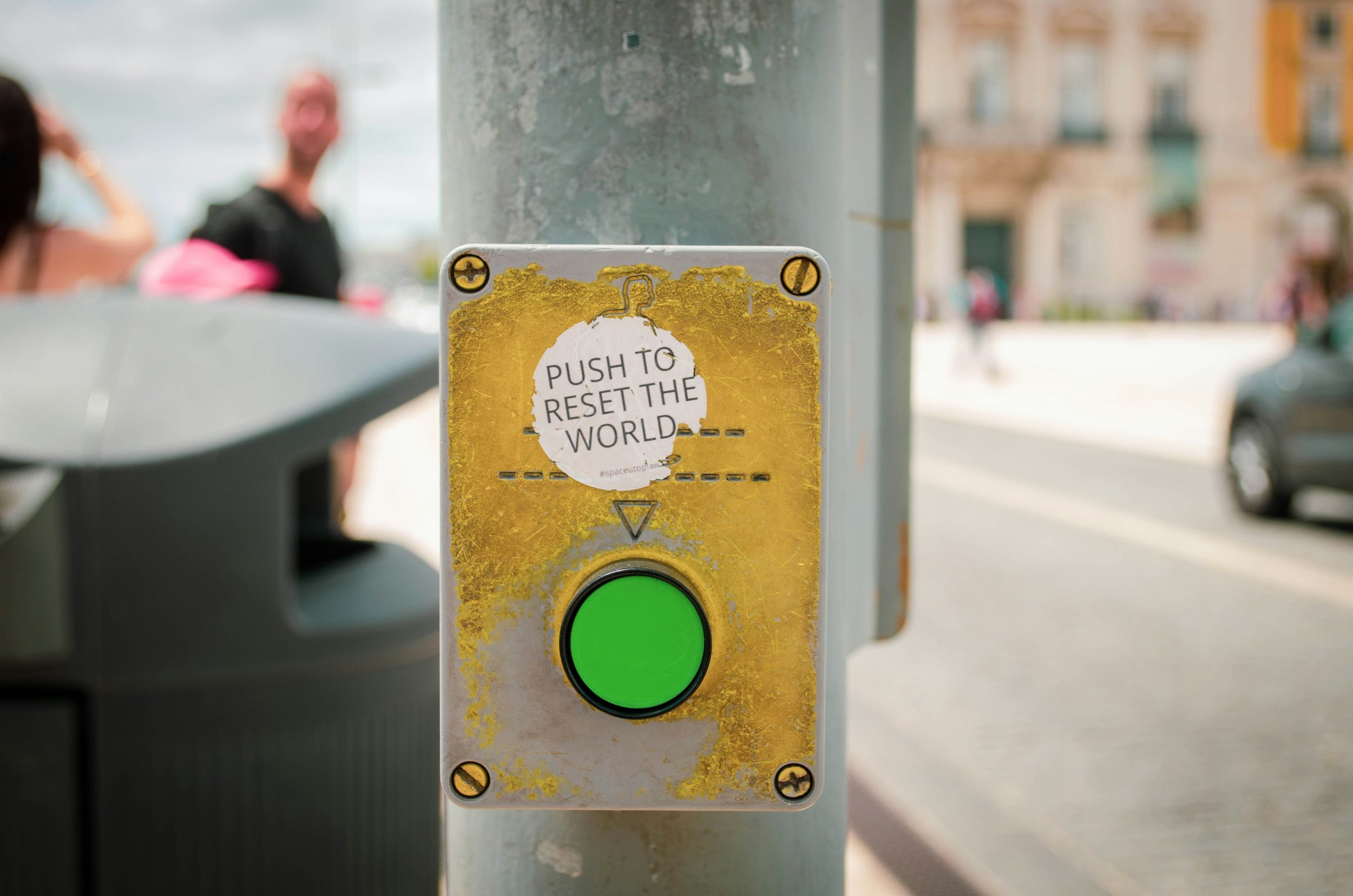
Pause Before You Push
Feeling pressure to "catch up" this year? Learn why pausing to reflect may be more powerful than pushing harder, and how a gentle mid-year reset can help you move forward with greater intention.
By Maraya Pena, Marriage and Family Therapist, Intern
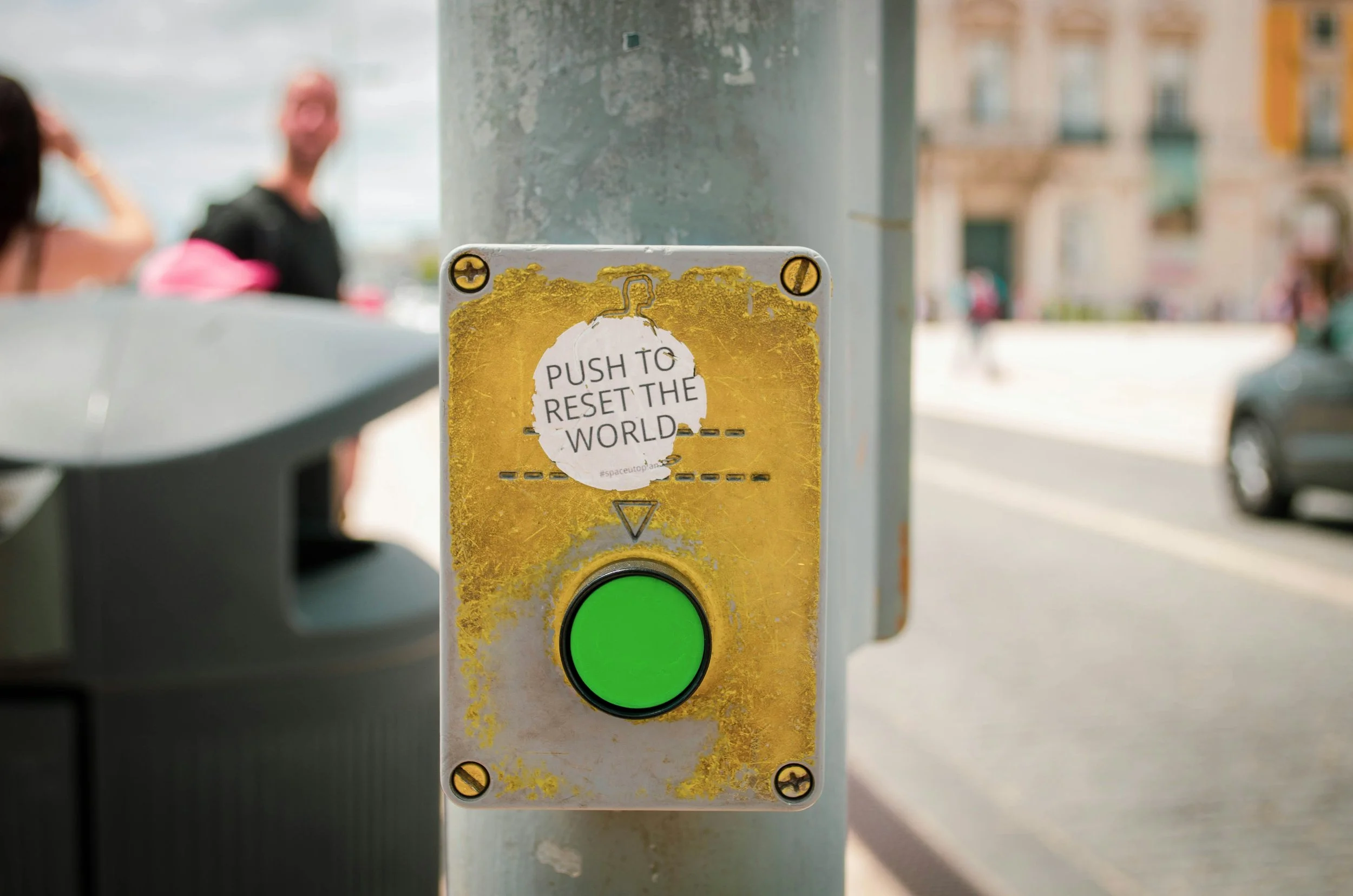
What if you didn’t need a fresh start?
Around this time of year, there’s often an unspoken pressure to “get back on track”. Maybe January resolutions didn’t go the way you planned, or maybe life changed and your priorities shifted with it. Maybe you’re carrying disappointment about goals you haven’t reached or you’ve been simply surviving.
It’s easy to believe that the answer is to push harder or become more productive. To “finally get it together”.
What would it look like if this season isn’t asking you to completely start over? What if this season needs you to pause?
Pausing doesn’t equate to falling behind
Many of us have learned that slowing down means we are losing momentum. Or if we stop moving, then we will never catch back up. So maybe you keep going, even when you’re exhausted, or you feel disconnected from yourself.
I encourage you to think about “When did I decide that I wasn’t allowed to pause? Who told me or modeled for me that burnout was the only way to succeed or move forward?”
Pause isn’t always the opposite of progress, sometimes pausing creates more space to make things possible and to actually breathe.
Before You Decide What’s Next, Notice Where You Are
Sometimes we spend so much time in our heads asking ourselves “What should I be doing?”.
We rarely ask “How am I actually doing?”
They are two very different questions. One is driven by expectation, and the other is rooted in awareness. Awareness can be viewed as a gateway to more compassionate decisions. Instead of immediately making new goals, consider taking inventory of your current season.
Some reflection could look like:
What has been bringing me energy?
What has been draining me?
What have I been avoiding?
What have I been proud of?
Where have I grown in ways that aren’t measurable?
Not every kind of progress can be checked off of a list. Growth often means including stronger boundaries, feeling emotions instead of avoiding them, asking for help, speaking up, learning to be kinder to yourself, and resting without apologizing.
Growth Doesn’t always look like Achievement
Sometimes or progress is overlooked. because it doesn’t fit in the picture we imagined. Maybe not every goal you have is accomplished yet, but maybe you have also become more honest with yourself. Or maybe you’ve learned to say no, found a supportive system (like a therapist or creative outlet), started actually taking your lunch breaks, or ended a relationship or habit that wasn’t aligning with you.
Those are all meaningful forms of growth that aren’t necessarily measured by productivity. Sometimes it is measured by the choices that help you feel more like yourself.
Seasonal Expectations
As we move into the second half of the year, you don't have to bring every expectation with you. You don't have to keep chasing goals that no longer align with your values, continue proving yourself, or keep measuring your worth by how much you accomplish.
Some expectations are worth releasing because you are growing. Not that you are “quitting” or “giving up”.
Before making changes, it can be helpful to understand what actually needs our attention. We might assume that is “more discipline or more effort”. But maybe the actual answer is more rest, support, connection, or giving yourself permission to do things differently.
Living with intention doesn’t mean having the perfect plan, but being flexible enough to pay attention and pivot.
Reset & Regroup Check-In
Throughout this month's series, I'll close each blog with the same five reflection questions. I call this the Reset & Regroup Check-In as a gentle invitation to pause, notice, and move forward with intention. Rather than asking you to start over, my hope is that these questions become something you can return to whenever life feels full, uncertain, or simply in need of a moment to regroup.
Take a few quiet moments this week and ask yourself:
What has been serving me?
What has been draining me?
What deserves more of my attention?
What am I ready to release?
What's one intentional step I can take this week?
Notice that none of these questions ask you to become a different person.
They simply invite you to become more aware of the person you are today.
Small Steps. Meaningful Change.
Final Thoughts
Growth doesn’t always ask us to move faster. Sometimes, it actually requires us to become quieter, honest, intentional, and pause before rushing into what is next. You might discover that the direction you need has been waiting in the stillness of it all.
Frequently Asked Questions
Is it normal to feel behind halfway through the year?
Yes. Life changes, priorities shift, and unexpected challenges can affect the goals we set earlier in the year. Feeling behind doesn’t necessarily mean you’ve failed. It may be an opportunity to pause, reflect on what has changed, and decide what matters to you now.
How do I reset my life without starting over?
A reset doesn’t have to mean beginning from scratch. It can simply mean taking inventory of what’s working, noticing what isn’t, and choosing one intentional next step that fits your current needs and values.
What’s the difference between a reset and a restart?
A restart can imply going back to the beginning. A reset allows you to bring your progress, experiences, and lessons with you while making adjustments based on where you are now.
What does it mean to live with intention?
Living with intention means becoming more aware of what matters to you and allowing those values to influence your choices. It doesn’t require having everything figured out. Sometimes intentional living starts with one small decision that moves you toward what matters.
Ready to Take the Next Step?
If this resonates with you, therapy can be a place to begin reconnecting with yourself in a deeper and more intentional way. Whether you are feeling stuck in old patterns, disconnected in your relationships, or unsure of who you are in this season of life, support is available.
Accepting New Adult Clients in Nevada
If you're navigating anxiety, relationship challenges, ADHD-related concerns, life transitions, or simply feeling disconnected from yourself, therapy can be a space to pause, regroup, and move forward with greater intention.
In-person in Henderson, NV
Telehealth throughout Nevada
One Percent Counseling
Small Steps. Meaningful Change.
Reach out through the contact page to schedule a consultation and take your next step toward healing.
Disclaimer
This blog is for educational and reflective purposes only and is not a substitute for therapy, medical care, or individualized mental health treatment.
About The Author
Maraya Pena is the founder of One Percent Counseling, LLC. She helps individuals and couples navigate anxiety, relationship challenges, emotional overwhelm, and life transitions with greater clarity, self-awareness, and connection. Her approach is grounded, compassionate, and focused on helping clients create meaningful change one step at a time.

The Supportive Systems Wheel: Building a Life That Supports You
Healing isn't about doing everything perfectly. Learn how the Supportive Systems Wheel can help you identify areas of support in your life and take one small step toward meaningful change.
By Maraya Pena, Marriage and Family Therapist, Intern

What if the goal wasn't to become someone who never struggles?
Over the past month, we've explored different ways support can show up in our lives. We talked about the importance of our inner dialogue, how caring for our bodies supports our minds, how routines and external systems reduce overwhelm.
How relationships can offer different kinds of support, or how creativity reconnects us with ourselves. Even how nourishment extends far beyond food.
Each blog focused on one piece of the puzzle. But here's what I hope you'll take away:
Support isn't one thing.
It's a collection of small, intentional systems that help you navigate life.
That's why I created more of a Supportive Systems Wheel as as a reminder that support can come from many places.
The Supportive Systems Wheel
Think of your support system as a wheel. Each section represents a different way you can care for yourself. Sometimes one area feels strong or maybe another needs attention. That is totally okay because goal isn't for every section to be perfect but instead to simply to notice.
Internal Support
This is how you support yourself from the inside.
It includes:
self-compassion
values
emotional awareness
boundaries
self-talk
acceptance
Ask yourself:
How do I respond to myself when life feels difficult?
Physical Support
Your body deserves support too.
Physical support may include:
sleep
movement
hydration
nourishing meals
medical care
rest
sensory regulation
Ask yourself:
What does my body need today?
External Support
Sometimes the most compassionate thing you can do is make life easier.
External supports include:
reminders
planners
routines
checklists
automatic payments
visual cues
organizing your environment
Ask yourself:
What could I simplify instead of trying to remember everything? (this is something I still struggle with).
People Support
Support doesn't have to come from one person.
Different relationships often offer different strengths.
Maybe someone is:
your encourager
your listener
your reliable friend
your growth friend
your mentor
Ask yourself:
Who helps me feel supported and what kind of support do they naturally offer?
Creative Support
Creativity isn't about talent but more about overall expression.
It might be:
baking
music
photography
gardening
journaling
decorating
painting
dancing
Ask yourself:
What helps me reconnect with myself?
Nourishment
Nourishment asks a different question than productivity.
Instead of asking,
"What do I have to get done?"
It asks,
"What fills me back up?"
Nourishment might be:
rest
laughter
meaningful conversations
time in nature
prayer or reflection
good food
quiet moments
celebrating small wins
Ask yourself:
What leaves me feeling restored instead of depleted?
Your Wheel Doesn’t Have to Be Perfect
One of the biggest misconceptions about healing is that everything has to be balanced all the time. Life doesn't work that way and some seasons require more rest whereas some others might require stronger boundaries or maybe deeper connections and creativity.
Your wheel is allowed to change and support is flexible because life is flexible.
One Small Step is Enough
As you look at your own Supportive Systems Wheel, resist the urge to fix everything at once.
Instead, ask yourself:
Which area feels strongest right now?
Which area could use just 1% more attention?
Maybe that step looks like:
texting a trusted friend
drinking a glass of water
setting one reminder
going for a short walk
journaling for five minutes
listening to your favorite song
eating lunch without working
saying one kind thing to yourself
Small steps may not feel dramatic but they create meaningful change over time.
A final Reflection
Healing isn't about becoming someone who never struggles. It’s about becoming someone who knows where to turn when life gets hard. Sometimes you'll lean on people, routines, creativity, rest, or even on your own resilience.
There is no perfect support system.
There is only the one you continue to build with intention, compassion, and flexibility.
And every small step you take strengthens that foundation. One percent at a time.
Thank You
If you've followed along throughout this month's series, thank you for taking the time to reflect with me.
My hope is that these conversations have helped you see support differently and not as something you have to earn or something that has to come from one place, but as something you can intentionally build over time.
You deserve a life that supports you not just when things are difficult.
But every day.
Small Steps. Meaningful Change.
Final Thoughts
Healing isn’t about doing everything perfectly. Learning how the supportive systems around you can help identify areas of support in your life and take one small step toward meaningful change.
Ready to Take the Next Step?
If this resonates with you, therapy can be a place to begin reconnecting with yourself in a deeper and more intentional way. Whether you are feeling stuck in old patterns, disconnected in your relationships, or unsure of who you are in this season of life, support is available.
Reach out through the contact page to schedule a consultation and take your next step toward healing.
About The Author
Maraya Pena is the founder of One Percent Counseling, LLC. She helps individuals and couples navigate anxiety, relationship challenges, emotional overwhelm, and life transitions with greater clarity, self-awareness, and connection. Her approach is grounded, compassionate, and focused on helping clients create meaningful change one step at a time.

Creative + Nourishment Support Systems: Caring for Yourself Beyond Survival
Creativity and nourishment are often overlooked forms of support. Learn how small moments of creativity, joy, rest, and intentional care can help you reconnect with yourself and build a more sustainable support system.
By Maraya Pena, Marriage and Family Therapist, Intern

Creativity and nourishment are often overlooked forms of support. Small moments of creativity, joy, rest, and intentional care can help you reconnect with yourself and build a more sustainable support system.
When we think about support, as we have discussed, we often think about people. Those relationships matter deeply, but support can also come from the quiet moments you create for yourself.
Sometimes Support Doesn’t Look Like What We Expect
We are people with lots of different backgrounds, cultures, experiences, and interests. Finding different areas to stay connected with yourself can be beneficial in building self trust and alleviating burnout.
Maybe that looks like:
picking up a paintbrush after years of telling yourself you aren’t creative
bedazzling your favorite phone case
going outside for 10 minutes without your phone
making your favorite meal (even by yourself)
trying a new coffee shop you’ve been meaning to try
Support doesn’t always solve a specific problem, but it can remind you that you are still here, you still matter, and still connected to yourself.
Creativity Is About Connection, Not Perfection
When people hear the word creative, they often think: “I’m not artistic” or “I can’t draw” or “I’m not good at crafts”.
Creativity can be so much bigger than that, and any act that allows you to express yourself, explore curiosity, or reconnect with something meaningful.
There’s no one way to express yourself. Maybe some creative outlets could be:
baking
gardening
photography
writing
dancing in your kitchen
decorating your home
trying an new recipe
crocheting
playing music
martial arts
coloring
building LEGO sets
journaling
arranging flowers
learning something new
The goal can be finding ways to spend time with yourself in a way that feels life-giving.
Creativity Helps Us Remember Who We Are
Stress has a way of shrinking our world and put ourselves in survival mode instead of living. Our days become checklists, responsibilities, appointments, deadlines, and all of the things in between.
Over time, we can lose touch with the parts of ourselves that once felt playful, curious, or inspired. Creativity can invite those parts back and allow you to remember pieces of yourself that were there all along without having to “become someone new”.
Nourishment Is More Than Food
When you hear the word nourishment, food may be the first thing that comes to mind. Food absolutely matters and our bodies need fuel. Even our brains function differently when they're cared for.
Nourishment is much broader than nutrition and is anything that leaves you feeling replenished rather than depleted.
A reflection could be:
"What helps me feel more like myself?"
For one person, nourishment might be a home-cooked meal.
For someone else, it might be laughter with a friend.
For another, it may be prayer, movement, time in nature, reading a novel, or getting enough sleep.
Nourishment looks different because people are different.
Coping and Nourishment Aren’t Always the Same
Sometimes we cope by doing whatever gets us through the day. There's no shame in that. But coping that we learn over time isn't always necessarily nourishing.
Scrolling for an hour might distract you.
Ignoring your feelings might help you get through a difficult meeting.
Keeping yourself busy may temporarily quiet your thoughts.
Those strategies can serve a purpose.
The invitation is simply to ask:
"When I'm done, do I feel restored or just distracted?"
Nourishment doesn't always feel easy. But over time, it tends to leave us feeling more grounded, connected, and cared for.
Many of us imagine self care as something that requires hours of free time like a spa day or a vacation. However, nourishment and support can happen in much smaller moments like:
lighting a candle before reading
watering your plants
watching the sunset
choosing to eat lunch instead of skipping it
Small moments may seem insignificant on their own, but together they become the way of caring for your self constantly instead of just occasionally.
*this is not medical advice or a substitute for therapy. for educational purposes only.*
Reflection
Take a moment to ask yourself:
What activities leave me feeling more like myself?
When do I feel most connected to who I am?
What genuinely nourishes me—not just distracts me?
Which small act of creativity or nourishment could I practice this week?
Disclaimer
This blog is for educational and reflective purposes only and is not a substitute for therapy or individualized mental health treatment.
Final Thoughts
Support isn’t only found in conversations but also in quiet moments where you choose to care for yourself. Maybe that can be a favorite song, a meaningful hobby, a walk outside or a creative outlet.
Ready to Take the Next Step?
If this resonates with you, therapy can be a place to begin reconnecting with yourself in a deeper and more intentional way. Whether you are feeling stuck in old patterns, disconnected in your relationships, or unsure of who you are in this season of life, support is available.
Reach out through the contact page to schedule a consultation and take your next step toward healing.
About The Author
Maraya Pena is the founder of One Percent Counseling, LLC. She helps individuals and couples navigate anxiety, relationship challenges, emotional overwhelm, and life transitions with greater clarity, self-awareness, and connection. Her approach is grounded, compassionate, and focused on helping clients create meaningful change one step at a time.
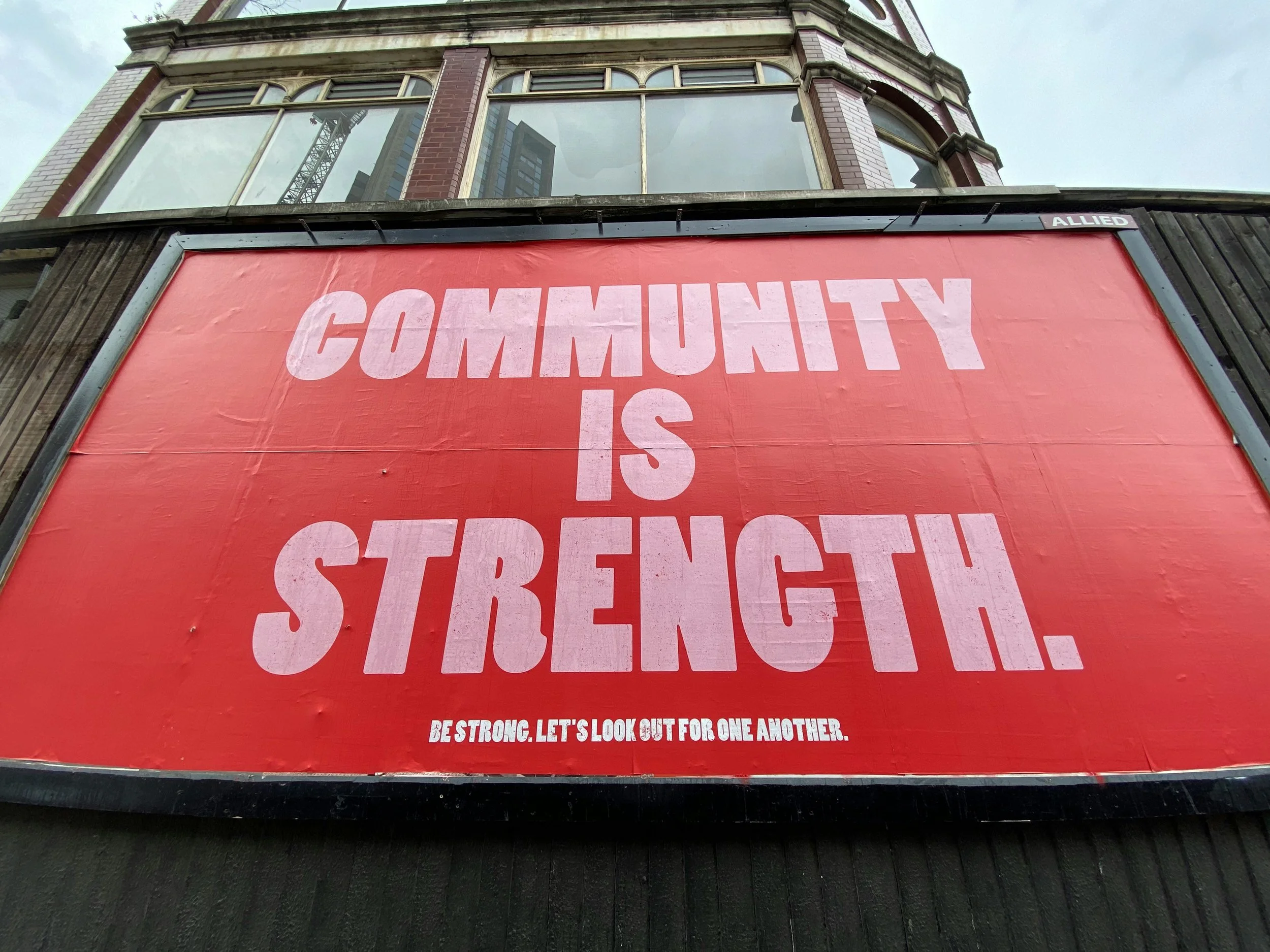
People + External Support Systems: Maybe You’re Not Meant To Carry Everything Alone
Support doesn't only come from within. Healthy relationships, community, routines, and practical tools can all become supportive systems that reduce overwhelm, increase connection, and help us move through life with greater steadiness.
By Maraya Pena, Marriage and Family Therapist, Intern
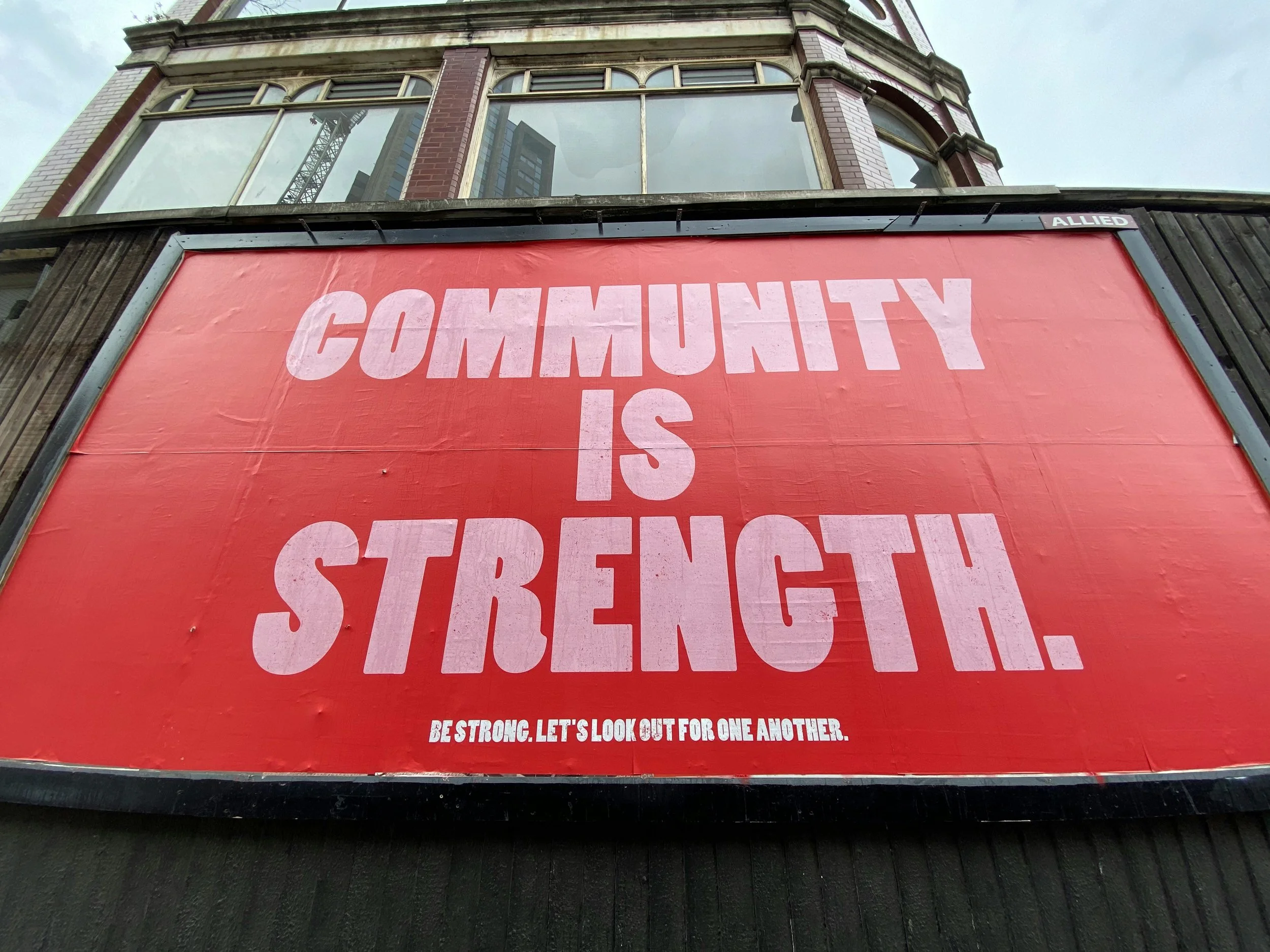
There is a common belief that strength means doing everything on your own. This belief maybe could have been formed through our very real experiences, cultural hierarchies, and through the stressful demands that life has brought.
Doing things on your own could mean handling it, figuring it out, not asking for help, being the dependable one, and needing very little from other people. Most of us learn, directly or indirectly, that independence is something to be proud of.
While independence can absolutely be a strength, sometimes it can turn into quiet isolation. Sometimes we become so used to carrying everything ourselves, any form of support beings to feel unfamiliar, uncomfortable, or even undeserved in our subconscious.
Maybe we were never meant to meet every need alone.
Support Doesn’t Always Have to Come From Within
Over the last couple of weeks, we have talked about different ideas of supportive systems. That can look like the way you speak to yourself, care for your body, or create steadiness from within.
These things are important, and as multilayered people, they are only part of the bigger picture. Sometimes support comes from outside of you. This is not a sign of incapability, but a reminder that we are just human.
External Support is More than Asking for Help
When people hear “external support”, they often think of asking someone for help. External supportive systems can often me much broader than that. Some examples could be:
calendars
reminders
visual schedules
body doubling (a personal favorite)
therapy
community groups
accountability
coworkers
neighbors
spiritual communities
family
trusted friends
simplifying your environment
routines that reduce mental load
These supports don’t replace your strengths, but they often support them.
Not Every Relationship Meets Every Need
One of the biggest sources of disappointment is expecting one relationship to provide every type of support. Sometimes we hope a friend will always know exactly what to say, or we wish family could provide emotional safety. Or maybe we expect a partner to meet every emotional, social, and practical need we have.
The reality is, sometimes they can. Sometimes they simply can’t.
That doesn't automatically mean the relationship has failed, but maybe there is room to recognize that relationship serves a different purpose.
Different People Can Meet Different Needs
One idea I often explore with clients is that support doesn't have to come from one person.
Instead of asking:
"Why aren't they everything I need?"
it can be helpful to ask,
"What kind of support does this relationship naturally offer?"
Maybe you have a friend who makes you laugh, and another who gives thoughtful advice. Maybe you know who is reliable when it counts, or someone who enjoys adventure when life gets too serious.
There could be someone who understands your culture, and someone else who checks in with you consistently and encourages your growth. Or someone who simply sits with you without trying to fix you.
None of these people have to be everything. Together, they become part of your support system.
Therapy is One Type of Support.
Therapy is not meant to replace relationships but it is one supportive system among many.
For some people, therapy becomes a place to practice:
naming needs
recognizing patterns
building healthier boundaries
understanding emotions
exploring identity
increasing self-trust
strengthening relationships outside the therapy room
The goal can be helping you build a life with more support inside and outside of therapy.
Support and Anxiety
When anxiety is present, it often tells us to keep everything inside and avoid burdening people. It also might fuel overthinking before reaching out or convince ourselves we should be able to figure it out alone.
Support interrupts that cycle.
Sometimes hearing,
"That makes sense."
is enough to help your nervous system soften.
The problem might not disappear, but you no longer feel alone inside it.
Support and ADHD-Related Concerns
Supportive relationships can also play an important role for individuals navigating ADHD-related concerns.
External support might include:
accountability
body doubling
reminders
shared calendars
understanding from trusted people
flexibility
collaborative problem-solving
These supports reduce unnecessary barriers so energy can be spent on what matters most. Support is not cheating, but it can be a strategy.
Community Is a Form of Care
Sometimes we underestimate how healing it is to simply feel understood or to be around people who don't require constant explanation.
Someone who respects your boundaries, celebrates your wins, and who reminds you who you are when you've forgotten.
Community doesn't erase pain or stress, but it can make it feel less lonely.
A small reflection:
Take a moment to think about the people in your life.
Instead of asking:
"Who should be meeting all my needs?"
Try asking,
"What kind of support does each relationship naturally offer?"
You might discover that your support system is larger and more diverse than you realized.
Or you may notice where there are genuine gaps. Both observations are valuable.
Final Thoughts
Support doesn't only come from within. Healthy relationships, community, routines, and practical tools can all become supportive systems that reduce overwhelm, increase connection, and help us move through life with greater steadiness.
Ready to Take the Next Step?
If this resonates with you, therapy can be a place to begin reconnecting with yourself in a deeper and more intentional way. Whether you are feeling stuck in old patterns, disconnected in your relationships, or unsure of who you are in this season of life, support is available.
Reach out through the contact page to schedule a consultation and take your next step toward healing.
About The Author
Maraya Pena is the founder of One Percent Counseling, LLC. She helps individuals and couples navigate anxiety, relationship challenges, emotional overwhelm, and life transitions with greater clarity, self-awareness, and connection. Her approach is grounded, compassionate, and focused on helping clients create meaningful change one step at a time.

Internal + Physical Support Systems: Learning What Helps You Feel Steadier
Supportive systems are not only external tools or routines. Learn how internal and physical support systems can help with anxiety, ADHD-related concerns, emotional overwhelm, and feeling more grounded in everyday life.
By Maraya Pena, Marriage and Family Therapist, Intern

When people think about support, they often think about something outside of themselves first. Maybe that looks like a schedule, a reminder, a person, a routine, or a resource. Those supports absolutely matter, but support can also begin internally.
It can also begin with the way you speak to yourself when things feel hard. Or maybe the way you notice your emotions before they become overwhelming. It can even begin with the way you respond to your body instead of ignoring it, or the way you create small moments of steadiness throughout your day.
The point being, support does not always have to be big, visible, or perfectly structured. Sometimes it sounds more quiet like:
I’m having a hard moment. I can take one small step. I don't have to shame myself into functioning. What is my body asking for right now?
What Are Internal Support Systems?
Internal support systems are the ways you relate to yourself from the inside.
They include your inner voice, self-awareness, emotional check-ins, self-compassion, grounding practices, values, and the way you respond to your own needs.
For some people, the internal system has been shaped by pressure.
I should be able to handle this. I’m falling behind again. Why can’t I just do it?? Other people seem to manage this better than me.
Over time, that kind of inner dialogue can make difficult every day moments feel even heavier. Internal support can start with learning how to respond to yourself with honesty and care (not pretending everything is fine).
Instead of: I’m failing
Internal support might say: This is hard, and I can support myself through it.
Instead of: I need to get everything together right now.
Internal support might sound like: What is one step I can take?
Instead of: I should not feel this way.
Internal support might say: Something in me needs attention.
Why Internal Support Matters
The way you speak to yourself becomes part of the environment you live in every day. If your inner world is constantly critical, rushed, or disappointed, even small tasks can feel emotionally loaded.
This can be especially true when navigating anxiety, ADHD-related concerns, emotional overwhelm, burnout, or people-pleasing patterns.
You may already be carrying a lot, and if your inner voice adds shame on top of the struggle, it can become harder to move forward.
Internal support helps create a little more room to notice, pause, choose, repair, and begin again without turning everything into a personal failure.
What Are Physical Support Systems?
Physical support systems are the ways you support your body, environment, and nervous system. This doesn’t mean having a perfect wellness routine or controlling your body.
However, this can mean noticing what helps your body feel more steady, cared for, and supported.
Physical support can look like:
drinking water before you get a headache
eating regularly enough to support your energy
stepping outside for a few minutes
stretching or moving your body gently
lowering sensory input when you feel overstimulated
creating a calming corner or reset space
resting before you completely crash
using grounding tools when your body feels activated
keeping supportive items nearby, like a water bottle, snack, blanket, journal, or headphones
Sometimes emotional overwhelm is not only emotional, but your body can be tired, hungry, overstimulated, rushed, tense, or in need of some type of care.
Physical support asks:
What does my body need to feel 1% more supported right now?
Internal + Physical Support for Anxiety
Anxiety can pull you into overthinking, worst-case scenarios, and constant problem-solving.
Internal support can help you notice the anxious thought without immediately obeying it.
An example could be:
This is an anxious thought, not a command.
I can slow down before I respond.
I do not have to solve everything this second.
My body is activated, and I can support it.
Physical support can help your body feel more grounded while anxiety is present.
That might look like:
unclenching your jaw
placing your feet on the floor
taking a few slower breaths
stepping away from overstimulating input
writing the worry down instead of mentally replaying it
adding transition time so you are not constantly rushing
using a grounding object or calming routine
Anxiety might not disappear immediately, but implementing small supports can help create space between the feeling and your response.
Internal + Physical Support for ADHD-Related Concerns
Anxiety often thrives in uncertainty, overthinking, and mental overload Supportive systems can help by creating more predictability and grounding.
That might look like:
writing things down instead of replaying them mentally
creating a simple plan for the day
using grounding tools when your body feels activated
setting boundaries with how much information you take in
having a trusted person or therapist to process with
building in transition time instead of rushing from one thing to the next
Support does not make anxiety disappear, but it can help create more room between the feeling and your response to it.
Supportive Systems and ADHD-Related Concerns
For ADHD-related concerns, internal and physical support systems can be especially important because shame often builds around inconsistency, forgetfulness, task initiation, emotional intensity, or follow-through.
Internal support can help interrupt the cycle of self-blame.
Instead of:
I’m lazy.
You might practice:
This task needs more support or a smaller starting point.
Instead of:
I always mess this up.
You might practice:
What system would make this easier to return to?
Physical support can also matter because focus, energy, regulation, and follow-through are often impacted by the body and environment.
Support could start with:
reducing clutter in one small area
using movement before starting a task
having water or food nearby
setting up visual cues
lowering background noise
using music to transition
creating a body-based reset before trying again
noticing when you need stimulation, rest, or a change of environment
The goal is not to force yourself into a perfect routine, but instead create conditions that make starting, returning, and regulating more attainable.
Support Doesn’t Have to Be Earned
One of the biggest barriers to supportive systems is the belief that support has to be earned. You might be conditioned into thinking you can only rest after everything is done, or be kind to yourself after you have been productive, or only ask for support once you have proven you tried hard enough.
But support is not a reward for doing everything perfectly, support is part of how you keep going.
You are allowed to support yourself before you are at your breaking point.
You are allowed to care for your body before it forces you to stop.
You are allowed to speak to yourself gently before you “deserve” it.
A Small Shift You Can Try
The next time you feel overwhelmed, pause and ask two questions:
What am I saying to myself right now?
What is my body asking for right now?
Maybe your internal self needs less criticism, or a step outside, or even just a cold drink of water. Support can start with one small response.
Final Thoughts
Internal and physical support systems are not about becoming perfectly regulated, perfectly calm, or perfectly consistent but they can be about learning how to come back to yourself with more care.
Sometimes that support starts inside with your body, one percent at a time.
Ready to Take the Next Step?
If this resonates with you, therapy can be a place to begin reconnecting with yourself in a deeper and more intentional way. Whether you are feeling stuck in old patterns, disconnected in your relationships, or unsure of who you are in this season of life, support is available.
Reach out through the contact page to schedule a consultation and take your next step toward healing.
About The Author
Maraya Pena is the founder of One Percent Counseling, LLC. She helps individuals and couples navigate anxiety, relationship challenges, emotional overwhelm, and life transitions with greater clarity, self-awareness, and connection. Her approach is grounded, compassionate, and focused on helping clients create meaningful change one step at a time.

You May Need More Support, Not More Pressure
When life feels overwhelming, the answer is not always more discipline or self-pressure. Learn how supportive systems can help with anxiety, ADHD-related concerns, emotional overwhelm, and everyday follow-through.
By Maraya Pena, Marriage and Family Therapist, Intern

When life feels overwhelming, it can be easy to assume the answer is to try harder. Many individuals face internal and external pressures to be more: disciplined, motivated, consistent, organized and more in control.
Sometimes that doesn’t always work. When things start feeling out of control, many people might turn that frustration inward.
“Why can’t I just do this?”
“Why do I keep falling behind?”
“Why does everything feel harder than it should?”
The problem isn’t always that you are not trying hard enough, but maybe it is identifying what type of support you need and where.
Support is not a sign of failure
The idea of support is often misunderstood. A lot of people think needing support means they are weak, incapable, or dependent.
We all rely on systems every day, even when we do not call them that. Examples could be:
Calendars
Routines
Reminders
Relationships
Movement
Meals
Structure
These are not shortcuts, but types of supports we have curated along the way. When life feels heavy, scattered, anxious, or overwhelming, supportive systems can help create more steadiness.
“Trying Harder” is Not Always Enough
For people navigating things like anxiety, ADHD-related concerns, emotional overwhelm, or burnout, “just try harder” is often not helpful and can often times create more shame because you’re already trying.
You may already be thinking about everything all the time.
You may already be pushing yourself.
You may already be holding more than people realize.
You may already be working twice as hard internally just to keep up externally.
So when someone says, “Just be more consistent,” or “Just make a plan,” it can feel frustrating. Having structure isn’t bad, but the type of structure has to actually fit your life, your brain, your capacity, and your real needs.
What is a Supportive System?
A supportive system is anything that helps you function, regulate, remember, connect, or move through your life with less unnecessary pressure. Supportive systems can be internal or external. They can come from your thoughts, your body, your environment, your people, your creativity, or your daily rhythms.
They might look like:
setting reminders so you do not have to hold everything in your mind
creating a morning routine that lowers decision fatigue
practicing self-talk that is firm but compassionate
asking someone to sit with you while you start a difficult task
keeping snacks, water, or grounding tools nearby
using music, movement, writing, or creativity to process emotions
building pauses into your day before you feel overwhelmed
Supportive systems are not about forcing yourself to function like someone else, but more are about creating support that fits your actual life.
Support Can Help Reduce Shame
One of the most meaningful parts of building supportive systems is that it can shift the question from: “What is wrong with me?” to: “What support might help?”
When you are stuck in shame, it is harder to problem-solve.
Shame often says:
I should already know how to do this.
I should not need help.
Other people can handle this, so why can’t I?
Supportive systems offer a different starting point.
They ask:
What is making this hard?
What would make this more manageable?
What structure would reduce the pressure?
What support would help me follow through?
Supportive Systems and Anxiety
Anxiety often thrives in uncertainty, overthinking, and mental overload Supportive systems can help by creating more predictability and grounding.
That might look like:
writing things down instead of replaying them mentally
creating a simple plan for the day
using grounding tools when your body feels activated
setting boundaries with how much information you take in
having a trusted person or therapist to process with
building in transition time instead of rushing from one thing to the next
Support does not make anxiety disappear, but it can help create more room between the feeling and your response to it.
Supportive Systems and ADHD-Related Concerns
For ADHD-related concerns, support systems can be especially important because these individuals are often mislabeled as someone who is lazy or not trying.
But things like task initiation, time awareness, organization, follow-through, transitions, emotional regulation, and memory can require more external support (also speaking from experience).
That might look like:
visual reminders
alarms or timers
body doubling
simplified routines
breaking tasks into smaller steps
reducing clutter or decision points
creating realistic structures instead of rigid ones
using compassion when a system needs to be adjusted
A perfect system isn’t the ultimate goal, but building something supportive enough to be able to return to is where meaningful change can start!
Support and Flexibility
A supportive system doesn’t have to work forever to be useful. Sometimes a system works for a specific season, then your life changes or your energy changes or your needs change, or your capacity changes.
Noticing that something needs to change doesn’t mean you failed, but it could mean that the system may need to start shifting with you. Supportive systems are allowed to be flexible, adjusted, softened, simplified, or rebuilt.
Asking yourself things like:
What part of this still helps? What part needs to change? How can I make this easier to return to?
The next time you notice yourself thinking, “I should be able to handle this,” pause and ask:
“What support would make this more manageable?”
Maybe it looks like a longer break, using a timer, eating a snack, drinking water, or stepping outside. Or maybe its lowering the pressure and choosing one small next step forward.
Final Thoughts
Supportive Systems are not about fixing yourself. They are meant to help you move through your life with more compassion, structure, steadiness, and care one percent at a time. You aren’t failing because you need support, you’re just human.
Disclaimer: For education and reflection. Not a replacement for therapy, medical care, nutritional guidance, or formal assessment.
Ready to Take the Next Step?
If this resonates with you, therapy can be a place to begin reconnecting with yourself in a deeper and more intentional way. Whether you are feeling stuck in old patterns, disconnected in your relationships, or unsure of who you are in this season of life, support is available.
Reach out through the contact page to schedule a consultation and take your next step toward healing.
About The Author
Maraya Pena is the founder of One Percent Counseling, LLC. She helps individuals and couples navigate anxiety, relationship challenges, emotional overwhelm, and life transitions with greater clarity, self-awareness, and connection. Her approach is grounded, compassionate, and focused on helping clients create meaningful change one step at a time.