

Resources for Small, Meaningful Change
Practical reflections on anxiety, relationships, self-worth, ADHD, supportive systems, and values-based living.
The One Percent Counseling blog is a space to slow down, get curious, and explore the small shifts that can support meaningful change in everyday life.
Here you'll find reflections and practical tools related to emotional health, relationships, self-trust, ADHD-related experiences, supportive systems, and intentional living.
You don't have to read everything or know where to begin. Start with what feels relevant to you right now.

Why Do The Same Patterns Keep Repeating? Understanding What Keeps Us Stuck.
Why do we repeat patterns even when we know better? Explore how overthinking, avoidance, people-pleasing, and relationship cycles can keep us feeling stuck.
By Maraya Pena, Marriage and Family Therapist, Intern

Why Do I Keep Repeating the Same Patterns? Understanding What Keeps Us Stuck.
Have you ever caught yourself doing something familiar and thought, “I know I do this. So why do I keep doing it?”
Maybe you know you tend to overthink conversations long after they’ve ended or you recognize that you say yes when you really want to say no, or you avoid conversations that might feel uncomfortable, seek reassurance when you feel uncertain, become defensive when you feel misunderstood, or shut down when things become overwhelming.
Sometimes we have a lot of awareness about our patterns. We can name them, recognize where they may have come from, and even understand how they affect us. And yet, when the right situation comes along, we can find ourselves doing the same thing again.
That can be frustrating. But recognizing a pattern and knowing how to respond differently are not always the same thing.
This month at One Percent Counseling, we’re exploring Patterns, Not Problems and looking at some of the patterns we develop individually and in our relationships with a little more curiosity and a little less judgment.
Awareness Is Important, But It Doesn't Automatically Create Change
Self-awareness can give us valuable information. It can help us recognize what we're feeling, understand our reactions, and notice connections between our experiences and behaviors. But sometimes we expect awareness to do more than that.
Once we know we're people-pleasing, we think we should simply stop. Once we recognize that we're avoiding something, we think we should be able to face it. Once we understand that we shut down during conflict, we might become frustrated with ourselves the next time it happens.
That might sound like, “I know better than this.”
But knowing the pattern and practicing another way of responding are two different processes.
A familiar response can happen quickly, particularly when we're uncomfortable, overwhelmed, uncertain, or feeling vulnerable. That's why change isn't always about gathering more insight. Sometimes it's about learning to notice what's happening in the moment and creating enough space to practice something different.
Your Patterns May Make More Sense Than You Think
Before deciding that a pattern is something you need to “fix,” it can be helpful to get curious about what the pattern might be doing for you.
People-pleasing, for example, might help you avoid the discomfort of someone being disappointed with you. Overthinking might feel like a way to create certainty in a situation where there isn't much certainty available. Avoiding a conversation might provide temporary relief from conflict or vulnerability. Seeking reassurance might help settle uncertainty, even if only briefly.
Understanding the function of a pattern doesn't mean you have to keep it.
It simply changes the question from:
“What's wrong with me?”
to:
“What happens for me here?”
You might start asking: When does this pattern tend to show up? What happens right before it? What feeling or experience might I be trying to manage? What does this response give me in the short term? And what might it be costing me over time?
Curiosity can give us information that criticism often can't.
Sometimes the Pattern Is Between Us (not just within us)
Patterns also show up in relationships.
Couples can find themselves having what feels like the same argument again and again, even when the actual topic changes.
Imagine one partner wants to resolve a disagreement immediately. They ask more questions, continue the conversation, or push for reassurance because they want to feel connected again.
The other partner starts to feel overwhelmed. They become quieter, ask for space, or withdraw from the conversation.
The first partner experiences that withdrawal as disconnection, so they try even harder to engage.
The second person feels even more overwhelmed, so they pull away further.
Eventually, both people may leave the interaction feeling unheard.
One person might think, “Why don't they care enough to talk to me?”
The other might think, “Why can't they just give me space?”
From inside the conflict, it's easy to see the other person's behavior as the problem. But sometimes the more useful thing to notice is the cycle happening between you.
Instead of:
Me vs. you
we can begin exploring:
Us vs. the pattern we keep getting pulled into.
Recognizing a relationship cycle doesn't mean ignoring hurtful behavior or pretending every conflict is equally shared. It gives couples another way to understand what is happening between them and where a different response might become possible.
Notice the Pattern Before You Try to Fix It
Last month, our Reset & Regroup series focused on pausing, noticing what needed our attention, considering what felt supportive or draining, and giving ourselves permission to adjust.
We can bring that same practice into September.
Before immediately trying to stop a behavior, see if you can notice it.
Maybe you notice the urge to say yes before you've checked in with yourself, notice that your mind starts replaying a conversation when you're uncertain about how someone perceived you, or you notice yourself pulling away as soon as vulnerability enters a conversation.
Or maybe you and your partner begin recognizing the moment when a conversation shifts from trying to understand each other to trying to defend yourselves.
You don't necessarily need to have the perfect response yet.
Start with: “I'm noticing the pattern.”
What Would a One Percent Shift Look Like?
Changing patterns doesn't have to mean never falling into them again.
Sometimes progress is much smaller and much easier to overlook.
Maybe you notice the pattern five minutes earlier than you usually do, pause before automatically saying yes, recognize that you're seeking reassurance because uncertainty feels uncomfortable, or you tell your partner that you're becoming overwhelmed instead of abruptly ending the conversation.
A one percent shift might sound like:
“Let me think about that before I answer.”
“I'm noticing that I'm starting to shut down.”
“I think I'm getting defensive. Can we slow this down?”
“I need some space, but I want to come back to this conversation.”
“I'm overthinking this because I really want to know how it's going to turn out.”
These responses don't require the discomfort to disappear first. They simply create another option for how we respond to it.
Sometimes progress isn't:
“I don't do this anymore.”
Sometimes it's:
“I'm noticing it sooner, understanding it differently, and practicing another response when I can.”
And those small shifts can add up!
Patterns, Not Problems
Throughout September, we'll continue exploring the patterns that can shape how we relate to ourselves and the people around us.
We'll look at what can keep patterns going, how avoidance and protection can play a role, what it looks like to practice a different response, and how couples can begin building new patterns together.
The goal isn't to identify everything you're doing “wrong.”
It's to become more curious about what's happening, understand what may be keeping you stuck, and consider what you want to practice moving forward.
Because you don't have to change everything at once.
Notice. Get curious. Choose one small shift.
September Week 1 Reflection
Rather than using the full Reset & Regroup check-in again, I’d introduce a short Patterns, Not Problems Reflection that we can repeat throughout September:
What pattern am I noticing?
When does it tend to show up?
What might this pattern help me manage, avoid, or protect myself from?
What might it be costing me?
What's one small response I'd like to practice instead?
Small Steps. Meaningful Change.
Final Thoughts
One of the reasons I wanted the Reset & Regroup Check-In to remain the same throughout this series is because our answers aren't meant to stay the same. Life changes, our needs change, our capacity changes, and what matters to us can shift.
The point of checking in isn't to find the “correct” answer and stick with it forever. It's to create a practice of returning to yourself.
You can ask these questions when life feels overwhelming. You can return to them during a transition, after a difficult season, when something feels off, or simply when you've been moving so quickly that you haven't checked in with yourself for a while.
You don't need to wait until January, Monday, your birthday, or some imaginary perfect starting point.
You can pause and regroup whenever you need to.
Frequently Asked Questions
Why do I keep repeating the same patterns even when I know better?
Awareness is an important part of change, but recognizing a pattern does not automatically change how you respond when it appears. Familiar patterns can become ways of responding to discomfort, uncertainty, conflict, or vulnerability. Change can involve noticing when the pattern shows up, understanding what may be maintaining it, and gradually practicing different responses.
How do I break patterns of overthinking, avoidance, or people-pleasing?
Rather than trying to change everything at once, start by noticing when the pattern appears and what tends to happen before it. Consider what the pattern may help you manage or avoid and whether it is still supporting you. From there, you can identify one small response you would like to practice differently.
Why do couples keep having the same arguments?
Sometimes couples become caught in a recurring cycle where each person's response influences the other's. For example, one partner may push for a conversation when they feel disconnected while the other withdraws when they feel overwhelmed. Recognizing the cycle can help shift the focus from blaming one another toward understanding what keeps happening between you.
Can therapy help me change patterns I already understand?
Yes. Therapy isn't only about understanding why a pattern exists. It can also provide space to notice how patterns show up in the present, explore what keeps them going, and practice new ways of responding. Individual therapy can focus on personal patterns, while couples therapy can help partners identify and work with patterns happening within their relationship.
Ready to Take the Next Step?
Therapy can offer space to understand the patterns that keep showing up and practice new ways of responding to yourself and others. One Percent Counseling offers individual, couples, and premarital therapy in Henderson, Nevada, with virtual individual therapy available throughout Nevada.
Learn more about Individual Therapy | Explore Couples Therapy | Schedule a Consultation
Accepting New Adult Clients in Nevada
If you're navigating anxiety, relationship challenges, ADHD-related concerns, life transitions, or simply feeling disconnected from yourself, therapy can be a space to pause, regroup, and move forward with greater intention.
In-person in Henderson, NV
Telehealth throughout Nevada
One Percent Counseling
Small Steps. Meaningful Change.
Reach out through the contact page to schedule a consultation and take your next step toward healing.
Disclaimer
This blog is for educational and reflective purposes only and is not a substitute for therapy, medical care, or individualized mental health treatment.

About The Author
Maraya Pena is the founder of One Percent Counseling, LLC. She helps individuals and couples navigate anxiety, relationship challenges, emotional overwhelm, and life transitions with greater clarity, self-awareness, and connection. Her approach is grounded, compassionate, and focused on helping clients create meaningful change one step at a time.
Carry Forward
Close out the Reset & Regroup series by reflecting on what you've learned, what supports you, and what you want to carry forward—without pressure to have everything figured out.
By Maraya Pena, Marriage and Family Therapist, Intern
Move Into What’s Next Without Needing Everything Figured Out
We’ve spent this month talking about resetting and regrouping, but not in the way we often hear about a “reset.”
There was no expectation to completely reinvent yourself. No pressure to create a perfect routine, become more productive, or suddenly have everything figured out. Instead, we started with something much smaller: paying attention.
We paused before pushing forward. We noticed what actually needed our attention. We gave ourselves permission to adjust things that weren’t working anymore. And now, as we close this series, there’s one more question worth exploring:
What do you want to carry forward with you?
A reset doesn’t have to end with a brand new version of yourself. Sometimes it simply leaves you knowing yourself a little better than you did before.
You Don't Need to Have Everything Figured Out
It can be tempting to think that reflection should eventually lead to certainty. If we spend enough time thinking, journaling, processing, or planning, maybe we’ll finally know exactly what we’re supposed to do next. The reality for most is that life rarely gives us that kind of clarity.
You might know that something needs to change without knowing exactly what the change should look like. You might recognize that a relationship needs a different boundary but still feel nervous about communicating it. You might know you want to pursue something meaningful while also feeling unsure whether you’re ready. You might understand what supports you better and still have days when you don’t use those supports.
None of that takes away from the awareness you’ve built.
Sometimes moving forward means allowing yourself to take what you know right now and letting the rest become clearer as you go.
Notice Before You Look Ahead
Before thinking about what comes next, it can be helpful to notice what this season has already taught you.
Maybe you’ve realized you need more rest than you've been allowing yourself. Maybe you've noticed that certain relationships leave you feeling supported while others consistently leave you depleted. Maybe you've learned that your routines work better when they're flexible. Maybe you've recognized that you need external reminders, more structure, creative time, movement, connection, or simply more space.
You may have also learned what doesn't work for you. That information matters too!
We don't have to label every difficult experience as a lesson or find a positive meaning in everything that happens. But when we do notice something about ourselves or our needs, values, boundaries, capacity, or patterns, we then can choose what we want to do with that information.
Sometimes growth isn't immediately visible from the outside. It might simply look like recognizing something sooner than you used to.
Keep What Supports You
When we're focused on growth, it's easy to spend most of our attention on what needs improvement:
What do I need to change?
What am I doing wrong?
What should I be doing more consistently?
resetting and regrouping can also include identifying what you don't want to change.
Maybe you've created a routine that makes mornings a little easier or you've gotten better at reaching out when you need support. Perhaps this season has started protecting time for something that brings you joy or you've found a voice that is becoming more comfortable saying no. Maybe you've found a way of organizing your responsibilities that actually works with your brain instead of constantly fighting against it. Sometimes the next step is simply continuing to nurture what's already helping.
Progress Can Be Easy to Miss
One reason progress can be difficult to recognize is because we often expect it to look like an outcome.
We think progress means the anxiety disappeared, the relationship became easier, the routine became consistent, the decision was made, or the problem was solved.
But progress can happen before any of those things.
Maybe you still experience anxiety, but you notice it sooner or you still have the uncomfortable thought, but you don't automatically believe everything it tells you. Maybe you still struggle with a boundary, but you're beginning to recognize when one is needed or you are still figuring out what you want, but you're asking yourself instead of automatically looking to everyone else for the answer.
Progress can also look like recovering differently after a difficult day, asking for help earlier, recognizing when you're overwhelmed, or allowing yourself to adjust an expectation instead of immediately criticizing yourself.
Sometimes the change is not that something difficult stopped happening. It's that your relationship with it started changing.
Moving Forward With Uncertainty
A common expectation that many of us have experienced is the belief that confidence needs to come before action. For example:
once I’m confident, I’ll apply
once I’m less anxious, I’ll have the conversation
once I know I’m making the right decision, I’ll move forward
once I stop being afraid of rejection, I’ll put myself out there.
Waiting for uncertainty to completely disappear can keep us waiting for a very very long time. It’s not a requirement to pretend that you aren’t scared, anxious, uncertain, or uncomfortable. Sometimes acknowledging the discomfort also comes with continuing to choose what matters to you. Two things can actually coexist:
you can feel uncertain and still take a small step.
you can be nervous and communicate a need.
you can fear disappointment and still allow yourself to connect.
you can question yourself and still practice making your own decision.
Reset & Regroup Check-In
As we’ve done throughout this series, take a moment to return to the five Reset & Regroup questions. You don’t have to answer all of them at once. Simply notice what comes up.
1. What am I noticing right now?
What has been showing up emotionally, relationally, physically, or mentally?
2. What feels supportive—and what feels draining?
What has been giving something back? What has been requiring more from you lately?
3. What matters to me in this season?
What do you want your energy, choices, and attention to reflect?
4. What might need adjusting?
Is there an expectation, routine, boundary, relationship dynamic, environment, or support that could fit you better right now?
5. What’s one small step I can take?
Not the perfect solution or the entire plan. What’s one adjustment you could experiment with?
Small Steps. Meaningful Change.
Final Thoughts
One of the reasons I wanted the Reset & Regroup Check-In to remain the same throughout this series is because our answers aren't meant to stay the same. Life changes, our needs change, our capacity changes, and what matters to us can shift.
The point of checking in isn't to find the “correct” answer and stick with it forever. It's to create a practice of returning to yourself.
You can ask these questions when life feels overwhelming. You can return to them during a transition, after a difficult season, when something feels off, or simply when you've been moving so quickly that you haven't checked in with yourself for a while.
You don't need to wait until January, Monday, your birthday, or some imaginary perfect starting point.
You can pause and regroup whenever you need to.
Your Final Reset & Regroup Check-In
As we close this series, return to the same five questions we've used throughout the month. This time, notice whether your answers have changed since Week 1.
1. What am I noticing right now?
What thoughts, emotions, needs, or patterns have been showing up lately?
2. What feels supportive and what feels draining?
What do you want to continue making space for? What might need less of your energy?
3. What matters to me in this season?
What values, relationships, experiences, or parts of yourself do you want to stay connected to?
4. What might need adjusting?
What have you learned about what fits your life right now—and what doesn't?
5. What's one small step I can take?
Based on everything you've noticed, what's one realistic way you want to move forward?
Frequently Asked Questions
Is it normal to feel behind halfway through the year?
Yes. Life changes, priorities shift, and unexpected challenges can affect the goals we set earlier in the year. Feeling behind doesn’t necessarily mean you’ve failed. It may be an opportunity to pause, reflect on what has changed, and decide what matters to you now.
How do I reset my life without starting over?
A reset doesn’t have to mean beginning from scratch. It can simply mean taking inventory of what’s working, noticing what isn’t, and choosing one intentional next step that fits your current needs and values.
What’s the difference between a reset and a restart?
A restart can imply going back to the beginning. A reset allows you to bring your progress, experiences, and lessons with you while making adjustments based on where you are now.
What does it mean to live with intention?
Living with intention means becoming more aware of what matters to you and allowing those values to influence your choices. It doesn’t require having everything figured out. Sometimes intentional living starts with one small decision that moves you toward what matters.
Ready to Take the Next Step?
If this resonates with you, therapy can be a place to begin reconnecting with yourself in a deeper and more intentional way. Whether you are feeling stuck in old patterns, disconnected in your relationships, or unsure of who you are in this season of life, support is available.
Accepting New Adult Clients in Nevada
If you're navigating anxiety, relationship challenges, ADHD-related concerns, life transitions, or simply feeling disconnected from yourself, therapy can be a space to pause, regroup, and move forward with greater intention.
In-person in Henderson, NV
Telehealth throughout Nevada
One Percent Counseling
Small Steps. Meaningful Change.
Reach out through the contact page to schedule a consultation and take your next step toward healing.
Disclaimer
This blog is for educational and reflective purposes only and is not a substitute for therapy, medical care, or individualized mental health treatment.
About The Author
Maraya Pena is the founder of One Percent Counseling, LLC. She helps individuals and couples navigate anxiety, relationship challenges, emotional overwhelm, and life transitions with greater clarity, self-awareness, and connection. Her approach is grounded, compassionate, and focused on helping clients create meaningful change one step at a time.

Allowing Yourself To Adjust
Explore how small, intentional adjustments to routines, expectations, boundaries, relationships, and supportive systems can help you move forward without feeling like you have to start over.
By Maraya Pena, Marriage and Family Therapist, Intern

You’re Allowed to Adjust
Sometimes we keep doing something simply because it used to work. Maybe it’s a routine that once helped us feel grounded, a boundary that made sense during a different season, a schedule we created when we had more capacity, or an expectation we’ve carried for so long that we stopped asking whether it still fits. Different seasons might require different tools in our toolbox.
When something stops working, our first response can be to try harder. We might tell ourselves we need to be more disciplined, more consistent, more organized, or simply do more. But sometimes the problem isn’t that we aren’t trying hard enough. Sometimes something simply needs adjusting.
That’s part of resetting and regrouping, too. Not starting over or completely throwing everything away. Just giving ourselves permission to notice what no longer fits and consider what might support us better now.
From Awareness to Adjustment
During the first two weeks of this series, we’ve intentionally taken our time. First, we paused before pushing ourselves forward. Then, we explored what actually needs our attention. This week, we can begin asking a new question: What might need to shift?
There’s an important difference between noticing something and immediately trying to fix it. Awareness gives us information, adjustment gives us an opportunity to respond to that information with intention.
Maybe you’ve noticed that your schedule has been leaving you exhausted. Maybe you’re expecting more from yourself than your current capacity allows. Maybe a relationship could use more communication, or the system you created to keep yourself organized worked for a while and now it doesn’t.
None of those realizations automatically mean you’ve failed. They may simply be information. And information gives us choices.
What Worked Before Doesn't Have to Work Forever
We change. Our circumstances, responsibilities, relationships, priorities, and capacity can change too. Yet sometimes we expect ourselves to continue functioning exactly the same way.
Think about a routine that worked during a less stressful season. When life becomes fuller, you may not be able to maintain it in exactly the same way. Instead of immediately thinking, “I need to get back on track,” you might ask, “What would support me now?”
Maybe your hour long morning routine becomes ten quiet minutes or the pressure to cook from scratch every night becomes preparing a few easy options ahead of time. Maybe keeping everything in your head becomes using reminders. Maybe saying yes automatically becomes giving yourself time before answering.
Adjusting isn’t necessarily giving up on what matters to you. Sometimes it’s how you continue making room for what matters in a way that fits your life now.
Flexibility Can Be a Form of Support
We often associate consistency with doing something the same way every time, but sustainable consistency may require flexibility. There might be weeks when you have more capacity and weeks when you have less or there may be seasons when something needs more of your attention and seasons when it doesn’t.
Instead of asking, “How do I make myself stick to this?” try asking, “How could this become more supportive or realistic for me?”
That question creates room for experimentation. Maybe the goal stays the same while the way you approach it changes or the expectation itself needs to change. You’re allowed to find out.
Small adjustments might look like adding a reminder instead of relying on yourself to remember, moving something to a different time of day, asking for help with something you usually carry alone, or saying, “Let me get back to you,” instead of immediately agreeing.
It might mean communicating a need before resentment starts building, doing less during a particularly demanding week, returning to something that used to support you, or simply trying something differently and seeing what happens.
You don’t need to know whether an adjustment will work perfectly before you make it. Sometimes the next step is an experiment, not a permanent decision.
Making Room For Your Needs
Adjustments can become especially difficult when they involve other people. Maybe you recognize that you need more alone time, a different boundary, additional support, more communication, greater independence, or more connection.
It can be easy to assume that honoring your needs automatically means disregarding someone else’s, but relationships can hold more than one person’s experience. You can care about someone and still have boundaries and you can value closeness and still value autonomy. You can consider another person’s feelings without making those feelings the only factor in your decisions.
Sometimes resetting and regrouping within relationships means asking: What do I need in order to remain connected to myself while also being connected to others?
The goal isn’t perfect independence or perfect togetherness, it can also be room for connection while maintaining a sense of yourself.
You Don't Have to Wait Until Something Falls Apart
Sometimes we don’t give ourselves permission to adjust until something becomes unbearable. We wait until we’re completely exhausted before resting, until resentment has built before communicating, until a routine has completely fallen apart before changing it, or until we’re overwhelmed before asking for help.
But you don’t have to prove that something is bad enough before responding to what you’re noticing.
Sometimes, “This would support me better” is enough reason to make an adjustment.
And that adjustment doesn’t have to be dramatic. When we notice something isn’t working, it can be tempting to swing completely in the other direction—to change the entire routine, create a long list of new boundaries, or decide that Monday will be the day everything becomes different.
Instead, try asking: What is the smallest adjustment that could make this feel a little more supportive?
If your mornings feel rushed, maybe you prepare one thing the night before. If you’ve been feeling disconnected, maybe you reach out to one person. If your mind feels overloaded, maybe you write down what you’re trying to hold mentally. If you’re struggling with a boundary, maybe your first step is practicing what you want to say. If you’re exhausted, maybe you remove one nonessential expectation this week.
One percent doesn’t mean the change is meaningless. It means we’re making the change small enough to meet ourselves where we actually are.
Reset & Regroup Check-In
As we’ve done throughout this series, take a moment to return to the five Reset & Regroup questions. You don’t have to answer all of them at once. Simply notice what comes up.
1. What am I noticing right now?
What has been showing up emotionally, relationally, physically, or mentally?
2. What feels supportive—and what feels draining?
What has been giving something back? What has been requiring more from you lately?
3. What matters to me in this season?
What do you want your energy, choices, and attention to reflect?
4. What might need adjusting?
Is there an expectation, routine, boundary, relationship dynamic, environment, or support that could fit you better right now?
5. What’s one small step I can take?
Not the perfect solution or the entire plan. What’s one adjustment you could experiment with?
Small Steps. Meaningful Change.
Final Thoughts
There will probably never be a version of life where everything stays perfectly balanced. Things will shift. You’ll learn something new about yourself. Your capacity will change. Something that once supported you may stop working, and something you didn’t need before may become important.
You don’t have to interpret every adjustment as evidence that you’ve fallen behind. Sometimes adjustment is evidence that you’re paying attention. You’re noticing what’s happening, responding to what you need, and making choices that better fit the life you’re living now.
You don’t have to start over to move forward. Sometimes you simply adjust, one percent at a time.
Frequently Asked Questions
Is it normal to feel behind halfway through the year?
Yes. Life changes, priorities shift, and unexpected challenges can affect the goals we set earlier in the year. Feeling behind doesn’t necessarily mean you’ve failed. It may be an opportunity to pause, reflect on what has changed, and decide what matters to you now.
How do I reset my life without starting over?
A reset doesn’t have to mean beginning from scratch. It can simply mean taking inventory of what’s working, noticing what isn’t, and choosing one intentional next step that fits your current needs and values.
What’s the difference between a reset and a restart?
A restart can imply going back to the beginning. A reset allows you to bring your progress, experiences, and lessons with you while making adjustments based on where you are now.
What does it mean to live with intention?
Living with intention means becoming more aware of what matters to you and allowing those values to influence your choices. It doesn’t require having everything figured out. Sometimes intentional living starts with one small decision that moves you toward what matters.
Ready to Take the Next Step?
If this resonates with you, therapy can be a place to begin reconnecting with yourself in a deeper and more intentional way. Whether you are feeling stuck in old patterns, disconnected in your relationships, or unsure of who you are in this season of life, support is available.
Accepting New Adult Clients in Nevada
If you're navigating anxiety, relationship challenges, ADHD-related concerns, life transitions, or simply feeling disconnected from yourself, therapy can be a space to pause, regroup, and move forward with greater intention.
In-person in Henderson, NV
Telehealth throughout Nevada
One Percent Counseling
Small Steps. Meaningful Change.
Reach out through the contact page to schedule a consultation and take your next step toward healing.
Disclaimer
This blog is for educational and reflective purposes only and is not a substitute for therapy, medical care, or individualized mental health treatment.
About The Author
Maraya Pena is the founder of One Percent Counseling, LLC. She helps individuals and couples navigate anxiety, relationship challenges, emotional overwhelm, and life transitions with greater clarity, self-awareness, and connection. Her approach is grounded, compassionate, and focused on helping clients create meaningful change one step at a time.

What Actually Needs Your Attention?
Feeling pressure to change everything at once? Week Two of Reset & Regroup explores how to identify what actually needs your attention, notice where your energy is going, and choose one small, intentional next step.
By Maraya Pena, Marriage and Family Therapist, Intern

What actually needs your attention?
There are seasons when everything can feel important at the same time. For most, it can look like unfinished tasks, texts that were glanced at but unanswered, scheduling demands, boundaries, and the expectations you might of picked up for yourself (and the ones you probably picked up from other people along the way).
When we realize something isn’t working, it is easy to immediately start looking for everything we need to change. If your attention is being pulled in so many directions, it can be easy to respond by pushing harder.
Suddenly, a “reset” feels like another overwhelming list of things we aren’t doing well enough. Before asking yourself to do more, it might be helpful to ask:
“What actually needs my attention right now?".
Your time, attention, and emotional capacity aren’t generally unlimited. Being intentional about those things can help you move toward what matters without requiring you to give everything the same amount of yourself.
Everything Can Feel Important When You’re Overwhelmed
Urgency can be very convincing. When you are carrying a lot, your brain might start treating everything like it needs an immediate response. It can make an unanswered email feel more important than rest after a long day, another person’s disappointment feel more important than your boundary, or a temporary set back feel like it needs to be solved immediately.
Sometimes urgency does actually come from a real deadline. Other times, it can be rooted in anxiety, guilt, perfectionism, or the fear that slowing down will cause something else to fall apart.
Common thoughts could be:
i need to handle this now so i can stop worrying about it
i do not want anyone to think i am unreliable
i should be able to keep up with all of this
once everything is finished, i can rest.
These thoughts might actually keep you in a cycle of reacting to the loudest demand rather than choosing where you want your energy to go.
You Energy Offers Information
Your capacity might change day to day. Stress, grief, anxiety, relationships, work, physical health, and life transitions can all affect how much energy is available to you.
This doesn’t mean you are failing or becoming less capable, it just means you are human. Your current capacity deserves to be included in the decisions you make.
Things that might be helpful to notice:
what consistently drains you?
what restores or steadies you?
what feels difficult but meaningful?
what receives your energy mainly because of guilt, habit, or fear?
Let Your Values Help You Choose
When everything feels equally important, your values can help you decide what needs your attention. Values are not necessarily another checklist to complete, but more of the important qualities you practice in the way you live such as honesty, connection, creativity, care, growth, stability, or self-respect.
what matters most to me in this season?
what kind of person do I want to be in the middle of this?
is this choice moving me toward what matters or mainly helping me avoid discomfort?
What would honoring my values look like with the capacity I have today?
One Percent Energy Shift
You do not need to reorganize your entire life to become more intentional with your energy. Start by choosing one small shift.
That might look like:
waiting before automatically saying yes
allowing one task to be good enough
setting a limit on how long you spend trying to solve something
giving ten focused minutes to something meaningful
asking for help instead of quietly carrying everything
making room for rest before you feel completely depleted
redirecting attention from something you cannot control to one action you can take.
Small choices can become a way of rebuilding trust with yourself. Each time you pause and choose intentionally, you practice remembering that your energy belongs in the conversation too.
Reset & Regroup Check-In
Take a moment to reflect:
What has been receiving most of my energy lately?
Is that where I want my energy to be going?
What feels meaningful, even if it also feels uncomfortable?
What am I giving energy to mainly because of guilt, fear, or habit?
What is one small way I can redirect my energy this week?
If you are navigating anxiety, burnout, relationship concerns, self-worth, or a life transition, therapy can offer space to slow down, clarify what matters, and make choices that feel more aligned with you. One Percent Counseling offers in-person therapy in Henderson and online therapy throughout Nevada.
This blog is for educational and informational purposes only and is not a substitute for mental health treatment, diagnosis, or emergency support.
Small Steps. Meaningful Change.
Final Thoughts
Your energy might not be able to go everywhere all at once. You are allowed to reassess, change capacity, change priorities, and giving yourself permission to notice something without labeling it as a failure.
Frequently Asked Questions
Is it normal to feel behind halfway through the year?
Yes. Life changes, priorities shift, and unexpected challenges can affect the goals we set earlier in the year. Feeling behind doesn’t necessarily mean you’ve failed. It may be an opportunity to pause, reflect on what has changed, and decide what matters to you now.
How do I reset my life without starting over?
A reset doesn’t have to mean beginning from scratch. It can simply mean taking inventory of what’s working, noticing what isn’t, and choosing one intentional next step that fits your current needs and values.
What’s the difference between a reset and a restart?
A restart can imply going back to the beginning. A reset allows you to bring your progress, experiences, and lessons with you while making adjustments based on where you are now.
What does it mean to live with intention?
Living with intention means becoming more aware of what matters to you and allowing those values to influence your choices. It doesn’t require having everything figured out. Sometimes intentional living starts with one small decision that moves you toward what matters.
Ready to Take the Next Step?
If this resonates with you, therapy can be a place to begin reconnecting with yourself in a deeper and more intentional way. Whether you are feeling stuck in old patterns, disconnected in your relationships, or unsure of who you are in this season of life, support is available.
Accepting New Adult Clients in Nevada
If you're navigating anxiety, relationship challenges, ADHD-related concerns, life transitions, or simply feeling disconnected from yourself, therapy can be a space to pause, regroup, and move forward with greater intention.
In-person in Henderson, NV
Telehealth throughout Nevada
One Percent Counseling
Small Steps. Meaningful Change.
Reach out through the contact page to schedule a consultation and take your next step toward healing.
Disclaimer
This blog is for educational and reflective purposes only and is not a substitute for therapy, medical care, or individualized mental health treatment.
About The Author
Maraya Pena is the founder of One Percent Counseling, LLC. She helps individuals and couples navigate anxiety, relationship challenges, emotional overwhelm, and life transitions with greater clarity, self-awareness, and connection. Her approach is grounded, compassionate, and focused on helping clients create meaningful change one step at a time.
Pause Before You Push
Feeling pressure to "catch up" this year? Learn why pausing to reflect may be more powerful than pushing harder, and how a gentle mid-year reset can help you move forward with greater intention.
By Maraya Pena, Marriage and Family Therapist, Intern
What if you didn’t need a fresh start?
Around this time of year, there’s often an unspoken pressure to “get back on track”. Maybe January resolutions didn’t go the way you planned, or maybe life changed and your priorities shifted with it. Maybe you’re carrying disappointment about goals you haven’t reached or you’ve been simply surviving.
It’s easy to believe that the answer is to push harder or become more productive. To “finally get it together”.
What would it look like if this season isn’t asking you to completely start over? What if this season needs you to pause?
Pausing doesn’t equate to falling behind
Many of us have learned that slowing down means we are losing momentum. Or if we stop moving, then we will never catch back up. So maybe you keep going, even when you’re exhausted, or you feel disconnected from yourself.
I encourage you to think about “When did I decide that I wasn’t allowed to pause? Who told me or modeled for me that burnout was the only way to succeed or move forward?”
Pause isn’t always the opposite of progress, sometimes pausing creates more space to make things possible and to actually breathe.
Before You Decide What’s Next, Notice Where You Are
Sometimes we spend so much time in our heads asking ourselves “What should I be doing?”.
We rarely ask “How am I actually doing?”
They are two very different questions. One is driven by expectation, and the other is rooted in awareness. Awareness can be viewed as a gateway to more compassionate decisions. Instead of immediately making new goals, consider taking inventory of your current season.
Some reflection could look like:
What has been bringing me energy?
What has been draining me?
What have I been avoiding?
What have I been proud of?
Where have I grown in ways that aren’t measurable?
Not every kind of progress can be checked off of a list. Growth often means including stronger boundaries, feeling emotions instead of avoiding them, asking for help, speaking up, learning to be kinder to yourself, and resting without apologizing.
Growth Doesn’t always look like Achievement
Sometimes or progress is overlooked. because it doesn’t fit in the picture we imagined. Maybe not every goal you have is accomplished yet, but maybe you have also become more honest with yourself. Or maybe you’ve learned to say no, found a supportive system (like a therapist or creative outlet), started actually taking your lunch breaks, or ended a relationship or habit that wasn’t aligning with you.
Those are all meaningful forms of growth that aren’t necessarily measured by productivity. Sometimes it is measured by the choices that help you feel more like yourself.
Seasonal Expectations
As we move into the second half of the year, you don't have to bring every expectation with you. You don't have to keep chasing goals that no longer align with your values, continue proving yourself, or keep measuring your worth by how much you accomplish.
Some expectations are worth releasing because you are growing. Not that you are “quitting” or “giving up”.
Before making changes, it can be helpful to understand what actually needs our attention. We might assume that is “more discipline or more effort”. But maybe the actual answer is more rest, support, connection, or giving yourself permission to do things differently.
Living with intention doesn’t mean having the perfect plan, but being flexible enough to pay attention and pivot.
Reset & Regroup Check-In
Throughout this month's series, I'll close each blog with the same five reflection questions. I call this the Reset & Regroup Check-In as a gentle invitation to pause, notice, and move forward with intention. Rather than asking you to start over, my hope is that these questions become something you can return to whenever life feels full, uncertain, or simply in need of a moment to regroup.
Take a few quiet moments this week and ask yourself:
What has been serving me?
What has been draining me?
What deserves more of my attention?
What am I ready to release?
What's one intentional step I can take this week?
Notice that none of these questions ask you to become a different person.
They simply invite you to become more aware of the person you are today.
Small Steps. Meaningful Change.
Final Thoughts
Growth doesn’t always ask us to move faster. Sometimes, it actually requires us to become quieter, honest, intentional, and pause before rushing into what is next. You might discover that the direction you need has been waiting in the stillness of it all.
Frequently Asked Questions
Is it normal to feel behind halfway through the year?
Yes. Life changes, priorities shift, and unexpected challenges can affect the goals we set earlier in the year. Feeling behind doesn’t necessarily mean you’ve failed. It may be an opportunity to pause, reflect on what has changed, and decide what matters to you now.
How do I reset my life without starting over?
A reset doesn’t have to mean beginning from scratch. It can simply mean taking inventory of what’s working, noticing what isn’t, and choosing one intentional next step that fits your current needs and values.
What’s the difference between a reset and a restart?
A restart can imply going back to the beginning. A reset allows you to bring your progress, experiences, and lessons with you while making adjustments based on where you are now.
What does it mean to live with intention?
Living with intention means becoming more aware of what matters to you and allowing those values to influence your choices. It doesn’t require having everything figured out. Sometimes intentional living starts with one small decision that moves you toward what matters.
Ready to Take the Next Step?
If this resonates with you, therapy can be a place to begin reconnecting with yourself in a deeper and more intentional way. Whether you are feeling stuck in old patterns, disconnected in your relationships, or unsure of who you are in this season of life, support is available.
Accepting New Adult Clients in Nevada
If you're navigating anxiety, relationship challenges, ADHD-related concerns, life transitions, or simply feeling disconnected from yourself, therapy can be a space to pause, regroup, and move forward with greater intention.
In-person in Henderson, NV
Telehealth throughout Nevada
One Percent Counseling
Small Steps. Meaningful Change.
Reach out through the contact page to schedule a consultation and take your next step toward healing.
Disclaimer
This blog is for educational and reflective purposes only and is not a substitute for therapy, medical care, or individualized mental health treatment.
About The Author
Maraya Pena is the founder of One Percent Counseling, LLC. She helps individuals and couples navigate anxiety, relationship challenges, emotional overwhelm, and life transitions with greater clarity, self-awareness, and connection. Her approach is grounded, compassionate, and focused on helping clients create meaningful change one step at a time.

The Supportive Systems Wheel: Building a Life That Supports You
Healing isn't about doing everything perfectly. Learn how the Supportive Systems Wheel can help you identify areas of support in your life and take one small step toward meaningful change.
By Maraya Pena, Marriage and Family Therapist, Intern

What if the goal wasn't to become someone who never struggles?
Over the past month, we've explored different ways support can show up in our lives. We talked about the importance of our inner dialogue, how caring for our bodies supports our minds, how routines and external systems reduce overwhelm.
How relationships can offer different kinds of support, or how creativity reconnects us with ourselves. Even how nourishment extends far beyond food.
Each blog focused on one piece of the puzzle. But here's what I hope you'll take away:
Support isn't one thing.
It's a collection of small, intentional systems that help you navigate life.
That's why I created more of a Supportive Systems Wheel as as a reminder that support can come from many places.
The Supportive Systems Wheel
Think of your support system as a wheel. Each section represents a different way you can care for yourself. Sometimes one area feels strong or maybe another needs attention. That is totally okay because goal isn't for every section to be perfect but instead to simply to notice.
Internal Support
This is how you support yourself from the inside.
It includes:
self-compassion
values
emotional awareness
boundaries
self-talk
acceptance
Ask yourself:
How do I respond to myself when life feels difficult?
Physical Support
Your body deserves support too.
Physical support may include:
sleep
movement
hydration
nourishing meals
medical care
rest
sensory regulation
Ask yourself:
What does my body need today?
External Support
Sometimes the most compassionate thing you can do is make life easier.
External supports include:
reminders
planners
routines
checklists
automatic payments
visual cues
organizing your environment
Ask yourself:
What could I simplify instead of trying to remember everything? (this is something I still struggle with).
People Support
Support doesn't have to come from one person.
Different relationships often offer different strengths.
Maybe someone is:
your encourager
your listener
your reliable friend
your growth friend
your mentor
Ask yourself:
Who helps me feel supported and what kind of support do they naturally offer?
Creative Support
Creativity isn't about talent but more about overall expression.
It might be:
baking
music
photography
gardening
journaling
decorating
painting
dancing
Ask yourself:
What helps me reconnect with myself?
Nourishment
Nourishment asks a different question than productivity.
Instead of asking,
"What do I have to get done?"
It asks,
"What fills me back up?"
Nourishment might be:
rest
laughter
meaningful conversations
time in nature
prayer or reflection
good food
quiet moments
celebrating small wins
Ask yourself:
What leaves me feeling restored instead of depleted?
Your Wheel Doesn’t Have to Be Perfect
One of the biggest misconceptions about healing is that everything has to be balanced all the time. Life doesn't work that way and some seasons require more rest whereas some others might require stronger boundaries or maybe deeper connections and creativity.
Your wheel is allowed to change and support is flexible because life is flexible.
One Small Step is Enough
As you look at your own Supportive Systems Wheel, resist the urge to fix everything at once.
Instead, ask yourself:
Which area feels strongest right now?
Which area could use just 1% more attention?
Maybe that step looks like:
texting a trusted friend
drinking a glass of water
setting one reminder
going for a short walk
journaling for five minutes
listening to your favorite song
eating lunch without working
saying one kind thing to yourself
Small steps may not feel dramatic but they create meaningful change over time.
A final Reflection
Healing isn't about becoming someone who never struggles. It’s about becoming someone who knows where to turn when life gets hard. Sometimes you'll lean on people, routines, creativity, rest, or even on your own resilience.
There is no perfect support system.
There is only the one you continue to build with intention, compassion, and flexibility.
And every small step you take strengthens that foundation. One percent at a time.
Thank You
If you've followed along throughout this month's series, thank you for taking the time to reflect with me.
My hope is that these conversations have helped you see support differently and not as something you have to earn or something that has to come from one place, but as something you can intentionally build over time.
You deserve a life that supports you not just when things are difficult.
But every day.
Small Steps. Meaningful Change.
Final Thoughts
Healing isn’t about doing everything perfectly. Learning how the supportive systems around you can help identify areas of support in your life and take one small step toward meaningful change.
Ready to Take the Next Step?
If this resonates with you, therapy can be a place to begin reconnecting with yourself in a deeper and more intentional way. Whether you are feeling stuck in old patterns, disconnected in your relationships, or unsure of who you are in this season of life, support is available.
Reach out through the contact page to schedule a consultation and take your next step toward healing.
About The Author
Maraya Pena is the founder of One Percent Counseling, LLC. She helps individuals and couples navigate anxiety, relationship challenges, emotional overwhelm, and life transitions with greater clarity, self-awareness, and connection. Her approach is grounded, compassionate, and focused on helping clients create meaningful change one step at a time.

Creative + Nourishment Support Systems: Caring for Yourself Beyond Survival
Creativity and nourishment are often overlooked forms of support. Learn how small moments of creativity, joy, rest, and intentional care can help you reconnect with yourself and build a more sustainable support system.
By Maraya Pena, Marriage and Family Therapist, Intern

Creativity and nourishment are often overlooked forms of support. Small moments of creativity, joy, rest, and intentional care can help you reconnect with yourself and build a more sustainable support system.
When we think about support, as we have discussed, we often think about people. Those relationships matter deeply, but support can also come from the quiet moments you create for yourself.
Sometimes Support Doesn’t Look Like What We Expect
We are people with lots of different backgrounds, cultures, experiences, and interests. Finding different areas to stay connected with yourself can be beneficial in building self trust and alleviating burnout.
Maybe that looks like:
picking up a paintbrush after years of telling yourself you aren’t creative
bedazzling your favorite phone case
going outside for 10 minutes without your phone
making your favorite meal (even by yourself)
trying a new coffee shop you’ve been meaning to try
Support doesn’t always solve a specific problem, but it can remind you that you are still here, you still matter, and still connected to yourself.
Creativity Is About Connection, Not Perfection
When people hear the word creative, they often think: “I’m not artistic” or “I can’t draw” or “I’m not good at crafts”.
Creativity can be so much bigger than that, and any act that allows you to express yourself, explore curiosity, or reconnect with something meaningful.
There’s no one way to express yourself. Maybe some creative outlets could be:
baking
gardening
photography
writing
dancing in your kitchen
decorating your home
trying an new recipe
crocheting
playing music
martial arts
coloring
building LEGO sets
journaling
arranging flowers
learning something new
The goal can be finding ways to spend time with yourself in a way that feels life-giving.
Creativity Helps Us Remember Who We Are
Stress has a way of shrinking our world and put ourselves in survival mode instead of living. Our days become checklists, responsibilities, appointments, deadlines, and all of the things in between.
Over time, we can lose touch with the parts of ourselves that once felt playful, curious, or inspired. Creativity can invite those parts back and allow you to remember pieces of yourself that were there all along without having to “become someone new”.
Nourishment Is More Than Food
When you hear the word nourishment, food may be the first thing that comes to mind. Food absolutely matters and our bodies need fuel. Even our brains function differently when they're cared for.
Nourishment is much broader than nutrition and is anything that leaves you feeling replenished rather than depleted.
A reflection could be:
"What helps me feel more like myself?"
For one person, nourishment might be a home-cooked meal.
For someone else, it might be laughter with a friend.
For another, it may be prayer, movement, time in nature, reading a novel, or getting enough sleep.
Nourishment looks different because people are different.
Coping and Nourishment Aren’t Always the Same
Sometimes we cope by doing whatever gets us through the day. There's no shame in that. But coping that we learn over time isn't always necessarily nourishing.
Scrolling for an hour might distract you.
Ignoring your feelings might help you get through a difficult meeting.
Keeping yourself busy may temporarily quiet your thoughts.
Those strategies can serve a purpose.
The invitation is simply to ask:
"When I'm done, do I feel restored or just distracted?"
Nourishment doesn't always feel easy. But over time, it tends to leave us feeling more grounded, connected, and cared for.
Many of us imagine self care as something that requires hours of free time like a spa day or a vacation. However, nourishment and support can happen in much smaller moments like:
lighting a candle before reading
watering your plants
watching the sunset
choosing to eat lunch instead of skipping it
Small moments may seem insignificant on their own, but together they become the way of caring for your self constantly instead of just occasionally.
*this is not medical advice or a substitute for therapy. for educational purposes only.*
Reflection
Take a moment to ask yourself:
What activities leave me feeling more like myself?
When do I feel most connected to who I am?
What genuinely nourishes me—not just distracts me?
Which small act of creativity or nourishment could I practice this week?
Disclaimer
This blog is for educational and reflective purposes only and is not a substitute for therapy or individualized mental health treatment.
Final Thoughts
Support isn’t only found in conversations but also in quiet moments where you choose to care for yourself. Maybe that can be a favorite song, a meaningful hobby, a walk outside or a creative outlet.
Ready to Take the Next Step?
If this resonates with you, therapy can be a place to begin reconnecting with yourself in a deeper and more intentional way. Whether you are feeling stuck in old patterns, disconnected in your relationships, or unsure of who you are in this season of life, support is available.
Reach out through the contact page to schedule a consultation and take your next step toward healing.
About The Author
Maraya Pena is the founder of One Percent Counseling, LLC. She helps individuals and couples navigate anxiety, relationship challenges, emotional overwhelm, and life transitions with greater clarity, self-awareness, and connection. Her approach is grounded, compassionate, and focused on helping clients create meaningful change one step at a time.
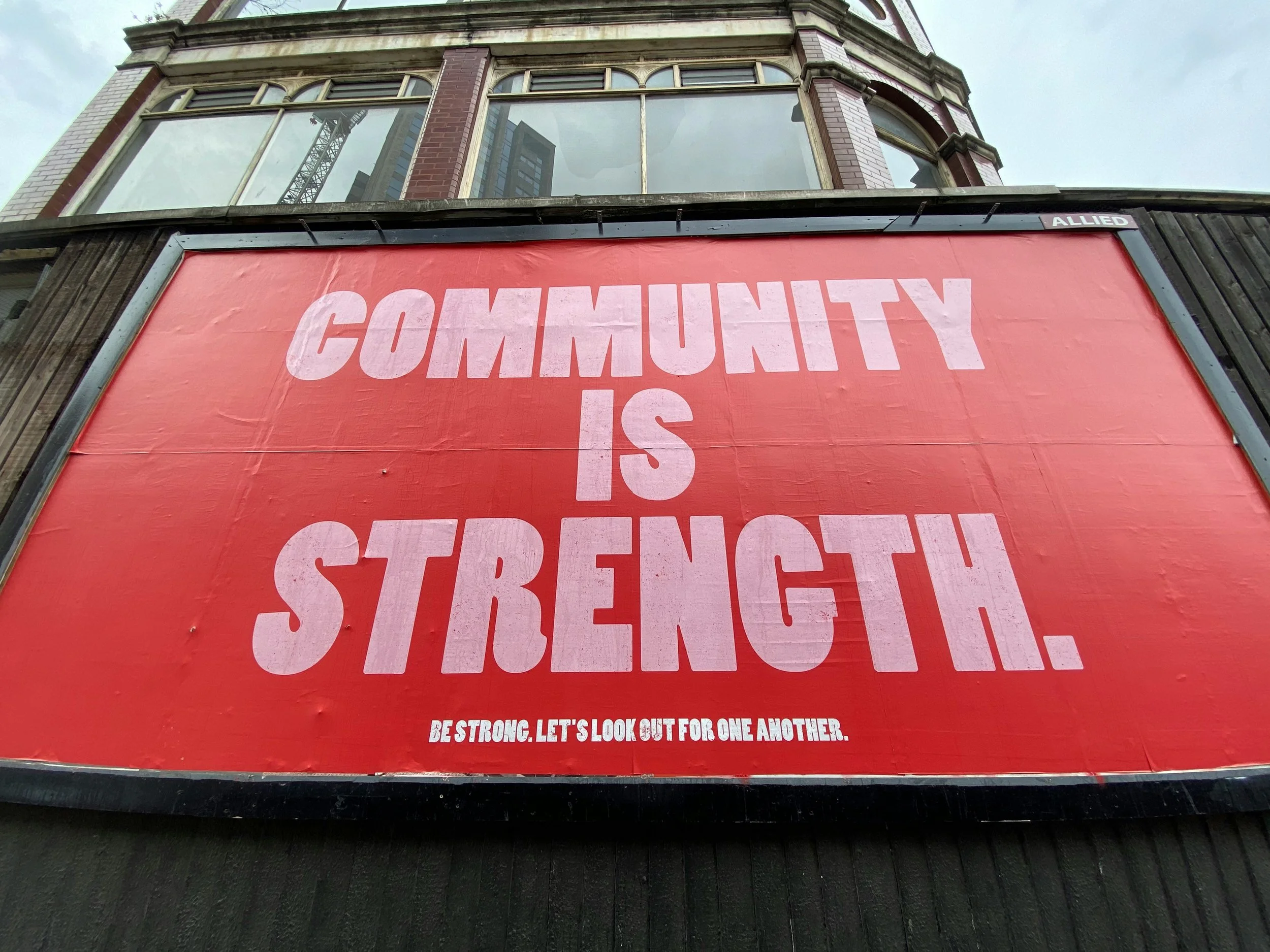
People + External Support Systems: Maybe You’re Not Meant To Carry Everything Alone
Support doesn't only come from within. Healthy relationships, community, routines, and practical tools can all become supportive systems that reduce overwhelm, increase connection, and help us move through life with greater steadiness.
By Maraya Pena, Marriage and Family Therapist, Intern
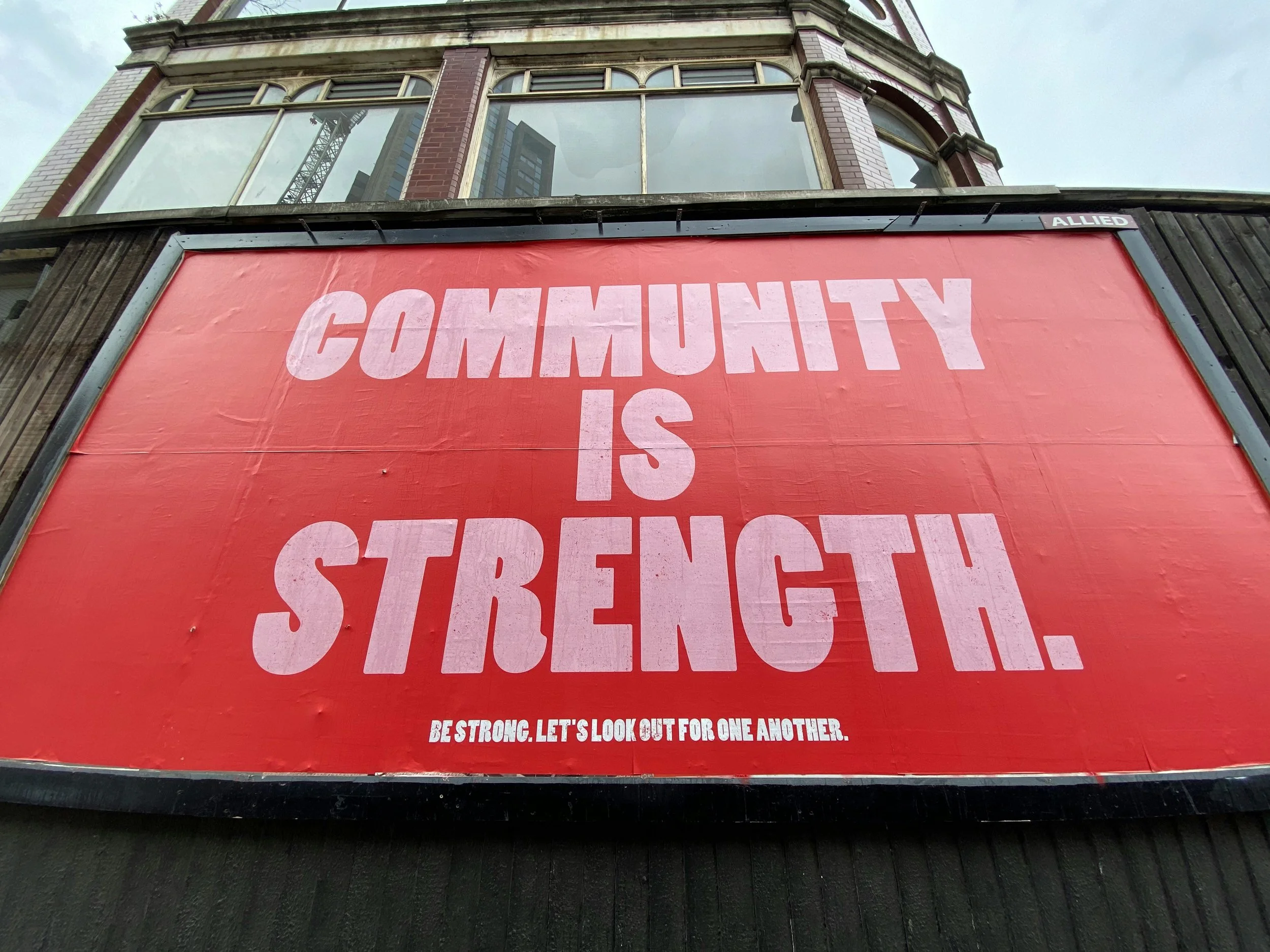
There is a common belief that strength means doing everything on your own. This belief maybe could have been formed through our very real experiences, cultural hierarchies, and through the stressful demands that life has brought.
Doing things on your own could mean handling it, figuring it out, not asking for help, being the dependable one, and needing very little from other people. Most of us learn, directly or indirectly, that independence is something to be proud of.
While independence can absolutely be a strength, sometimes it can turn into quiet isolation. Sometimes we become so used to carrying everything ourselves, any form of support beings to feel unfamiliar, uncomfortable, or even undeserved in our subconscious.
Maybe we were never meant to meet every need alone.
Support Doesn’t Always Have to Come From Within
Over the last couple of weeks, we have talked about different ideas of supportive systems. That can look like the way you speak to yourself, care for your body, or create steadiness from within.
These things are important, and as multilayered people, they are only part of the bigger picture. Sometimes support comes from outside of you. This is not a sign of incapability, but a reminder that we are just human.
External Support is More than Asking for Help
When people hear “external support”, they often think of asking someone for help. External supportive systems can often me much broader than that. Some examples could be:
calendars
reminders
visual schedules
body doubling (a personal favorite)
therapy
community groups
accountability
coworkers
neighbors
spiritual communities
family
trusted friends
simplifying your environment
routines that reduce mental load
These supports don’t replace your strengths, but they often support them.
Not Every Relationship Meets Every Need
One of the biggest sources of disappointment is expecting one relationship to provide every type of support. Sometimes we hope a friend will always know exactly what to say, or we wish family could provide emotional safety. Or maybe we expect a partner to meet every emotional, social, and practical need we have.
The reality is, sometimes they can. Sometimes they simply can’t.
That doesn't automatically mean the relationship has failed, but maybe there is room to recognize that relationship serves a different purpose.
Different People Can Meet Different Needs
One idea I often explore with clients is that support doesn't have to come from one person.
Instead of asking:
"Why aren't they everything I need?"
it can be helpful to ask,
"What kind of support does this relationship naturally offer?"
Maybe you have a friend who makes you laugh, and another who gives thoughtful advice. Maybe you know who is reliable when it counts, or someone who enjoys adventure when life gets too serious.
There could be someone who understands your culture, and someone else who checks in with you consistently and encourages your growth. Or someone who simply sits with you without trying to fix you.
None of these people have to be everything. Together, they become part of your support system.
Therapy is One Type of Support.
Therapy is not meant to replace relationships but it is one supportive system among many.
For some people, therapy becomes a place to practice:
naming needs
recognizing patterns
building healthier boundaries
understanding emotions
exploring identity
increasing self-trust
strengthening relationships outside the therapy room
The goal can be helping you build a life with more support inside and outside of therapy.
Support and Anxiety
When anxiety is present, it often tells us to keep everything inside and avoid burdening people. It also might fuel overthinking before reaching out or convince ourselves we should be able to figure it out alone.
Support interrupts that cycle.
Sometimes hearing,
"That makes sense."
is enough to help your nervous system soften.
The problem might not disappear, but you no longer feel alone inside it.
Support and ADHD-Related Concerns
Supportive relationships can also play an important role for individuals navigating ADHD-related concerns.
External support might include:
accountability
body doubling
reminders
shared calendars
understanding from trusted people
flexibility
collaborative problem-solving
These supports reduce unnecessary barriers so energy can be spent on what matters most. Support is not cheating, but it can be a strategy.
Community Is a Form of Care
Sometimes we underestimate how healing it is to simply feel understood or to be around people who don't require constant explanation.
Someone who respects your boundaries, celebrates your wins, and who reminds you who you are when you've forgotten.
Community doesn't erase pain or stress, but it can make it feel less lonely.
A small reflection:
Take a moment to think about the people in your life.
Instead of asking:
"Who should be meeting all my needs?"
Try asking,
"What kind of support does each relationship naturally offer?"
You might discover that your support system is larger and more diverse than you realized.
Or you may notice where there are genuine gaps. Both observations are valuable.
Final Thoughts
Support doesn't only come from within. Healthy relationships, community, routines, and practical tools can all become supportive systems that reduce overwhelm, increase connection, and help us move through life with greater steadiness.
Ready to Take the Next Step?
If this resonates with you, therapy can be a place to begin reconnecting with yourself in a deeper and more intentional way. Whether you are feeling stuck in old patterns, disconnected in your relationships, or unsure of who you are in this season of life, support is available.
Reach out through the contact page to schedule a consultation and take your next step toward healing.
About The Author
Maraya Pena is the founder of One Percent Counseling, LLC. She helps individuals and couples navigate anxiety, relationship challenges, emotional overwhelm, and life transitions with greater clarity, self-awareness, and connection. Her approach is grounded, compassionate, and focused on helping clients create meaningful change one step at a time.

Internal + Physical Support Systems: Learning What Helps You Feel Steadier
Supportive systems are not only external tools or routines. Learn how internal and physical support systems can help with anxiety, ADHD-related concerns, emotional overwhelm, and feeling more grounded in everyday life.
By Maraya Pena, Marriage and Family Therapist, Intern

When people think about support, they often think about something outside of themselves first. Maybe that looks like a schedule, a reminder, a person, a routine, or a resource. Those supports absolutely matter, but support can also begin internally.
It can also begin with the way you speak to yourself when things feel hard. Or maybe the way you notice your emotions before they become overwhelming. It can even begin with the way you respond to your body instead of ignoring it, or the way you create small moments of steadiness throughout your day.
The point being, support does not always have to be big, visible, or perfectly structured. Sometimes it sounds more quiet like:
I’m having a hard moment. I can take one small step. I don't have to shame myself into functioning. What is my body asking for right now?
What Are Internal Support Systems?
Internal support systems are the ways you relate to yourself from the inside.
They include your inner voice, self-awareness, emotional check-ins, self-compassion, grounding practices, values, and the way you respond to your own needs.
For some people, the internal system has been shaped by pressure.
I should be able to handle this. I’m falling behind again. Why can’t I just do it?? Other people seem to manage this better than me.
Over time, that kind of inner dialogue can make difficult every day moments feel even heavier. Internal support can start with learning how to respond to yourself with honesty and care (not pretending everything is fine).
Instead of: I’m failing
Internal support might say: This is hard, and I can support myself through it.
Instead of: I need to get everything together right now.
Internal support might sound like: What is one step I can take?
Instead of: I should not feel this way.
Internal support might say: Something in me needs attention.
Why Internal Support Matters
The way you speak to yourself becomes part of the environment you live in every day. If your inner world is constantly critical, rushed, or disappointed, even small tasks can feel emotionally loaded.
This can be especially true when navigating anxiety, ADHD-related concerns, emotional overwhelm, burnout, or people-pleasing patterns.
You may already be carrying a lot, and if your inner voice adds shame on top of the struggle, it can become harder to move forward.
Internal support helps create a little more room to notice, pause, choose, repair, and begin again without turning everything into a personal failure.
What Are Physical Support Systems?
Physical support systems are the ways you support your body, environment, and nervous system. This doesn’t mean having a perfect wellness routine or controlling your body.
However, this can mean noticing what helps your body feel more steady, cared for, and supported.
Physical support can look like:
drinking water before you get a headache
eating regularly enough to support your energy
stepping outside for a few minutes
stretching or moving your body gently
lowering sensory input when you feel overstimulated
creating a calming corner or reset space
resting before you completely crash
using grounding tools when your body feels activated
keeping supportive items nearby, like a water bottle, snack, blanket, journal, or headphones
Sometimes emotional overwhelm is not only emotional, but your body can be tired, hungry, overstimulated, rushed, tense, or in need of some type of care.
Physical support asks:
What does my body need to feel 1% more supported right now?
Internal + Physical Support for Anxiety
Anxiety can pull you into overthinking, worst-case scenarios, and constant problem-solving.
Internal support can help you notice the anxious thought without immediately obeying it.
An example could be:
This is an anxious thought, not a command.
I can slow down before I respond.
I do not have to solve everything this second.
My body is activated, and I can support it.
Physical support can help your body feel more grounded while anxiety is present.
That might look like:
unclenching your jaw
placing your feet on the floor
taking a few slower breaths
stepping away from overstimulating input
writing the worry down instead of mentally replaying it
adding transition time so you are not constantly rushing
using a grounding object or calming routine
Anxiety might not disappear immediately, but implementing small supports can help create space between the feeling and your response.
Internal + Physical Support for ADHD-Related Concerns
Anxiety often thrives in uncertainty, overthinking, and mental overload Supportive systems can help by creating more predictability and grounding.
That might look like:
writing things down instead of replaying them mentally
creating a simple plan for the day
using grounding tools when your body feels activated
setting boundaries with how much information you take in
having a trusted person or therapist to process with
building in transition time instead of rushing from one thing to the next
Support does not make anxiety disappear, but it can help create more room between the feeling and your response to it.
Supportive Systems and ADHD-Related Concerns
For ADHD-related concerns, internal and physical support systems can be especially important because shame often builds around inconsistency, forgetfulness, task initiation, emotional intensity, or follow-through.
Internal support can help interrupt the cycle of self-blame.
Instead of:
I’m lazy.
You might practice:
This task needs more support or a smaller starting point.
Instead of:
I always mess this up.
You might practice:
What system would make this easier to return to?
Physical support can also matter because focus, energy, regulation, and follow-through are often impacted by the body and environment.
Support could start with:
reducing clutter in one small area
using movement before starting a task
having water or food nearby
setting up visual cues
lowering background noise
using music to transition
creating a body-based reset before trying again
noticing when you need stimulation, rest, or a change of environment
The goal is not to force yourself into a perfect routine, but instead create conditions that make starting, returning, and regulating more attainable.
Support Doesn’t Have to Be Earned
One of the biggest barriers to supportive systems is the belief that support has to be earned. You might be conditioned into thinking you can only rest after everything is done, or be kind to yourself after you have been productive, or only ask for support once you have proven you tried hard enough.
But support is not a reward for doing everything perfectly, support is part of how you keep going.
You are allowed to support yourself before you are at your breaking point.
You are allowed to care for your body before it forces you to stop.
You are allowed to speak to yourself gently before you “deserve” it.
A Small Shift You Can Try
The next time you feel overwhelmed, pause and ask two questions:
What am I saying to myself right now?
What is my body asking for right now?
Maybe your internal self needs less criticism, or a step outside, or even just a cold drink of water. Support can start with one small response.
Final Thoughts
Internal and physical support systems are not about becoming perfectly regulated, perfectly calm, or perfectly consistent but they can be about learning how to come back to yourself with more care.
Sometimes that support starts inside with your body, one percent at a time.
Ready to Take the Next Step?
If this resonates with you, therapy can be a place to begin reconnecting with yourself in a deeper and more intentional way. Whether you are feeling stuck in old patterns, disconnected in your relationships, or unsure of who you are in this season of life, support is available.
Reach out through the contact page to schedule a consultation and take your next step toward healing.
About The Author
Maraya Pena is the founder of One Percent Counseling, LLC. She helps individuals and couples navigate anxiety, relationship challenges, emotional overwhelm, and life transitions with greater clarity, self-awareness, and connection. Her approach is grounded, compassionate, and focused on helping clients create meaningful change one step at a time.

You May Need More Support, Not More Pressure
When life feels overwhelming, the answer is not always more discipline or self-pressure. Learn how supportive systems can help with anxiety, ADHD-related concerns, emotional overwhelm, and everyday follow-through.
By Maraya Pena, Marriage and Family Therapist, Intern

When life feels overwhelming, it can be easy to assume the answer is to try harder. Many individuals face internal and external pressures to be more: disciplined, motivated, consistent, organized and more in control.
Sometimes that doesn’t always work. When things start feeling out of control, many people might turn that frustration inward.
“Why can’t I just do this?”
“Why do I keep falling behind?”
“Why does everything feel harder than it should?”
The problem isn’t always that you are not trying hard enough, but maybe it is identifying what type of support you need and where.
Support is not a sign of failure
The idea of support is often misunderstood. A lot of people think needing support means they are weak, incapable, or dependent.
We all rely on systems every day, even when we do not call them that. Examples could be:
Calendars
Routines
Reminders
Relationships
Movement
Meals
Structure
These are not shortcuts, but types of supports we have curated along the way. When life feels heavy, scattered, anxious, or overwhelming, supportive systems can help create more steadiness.
“Trying Harder” is Not Always Enough
For people navigating things like anxiety, ADHD-related concerns, emotional overwhelm, or burnout, “just try harder” is often not helpful and can often times create more shame because you’re already trying.
You may already be thinking about everything all the time.
You may already be pushing yourself.
You may already be holding more than people realize.
You may already be working twice as hard internally just to keep up externally.
So when someone says, “Just be more consistent,” or “Just make a plan,” it can feel frustrating. Having structure isn’t bad, but the type of structure has to actually fit your life, your brain, your capacity, and your real needs.
What is a Supportive System?
A supportive system is anything that helps you function, regulate, remember, connect, or move through your life with less unnecessary pressure. Supportive systems can be internal or external. They can come from your thoughts, your body, your environment, your people, your creativity, or your daily rhythms.
They might look like:
setting reminders so you do not have to hold everything in your mind
creating a morning routine that lowers decision fatigue
practicing self-talk that is firm but compassionate
asking someone to sit with you while you start a difficult task
keeping snacks, water, or grounding tools nearby
using music, movement, writing, or creativity to process emotions
building pauses into your day before you feel overwhelmed
Supportive systems are not about forcing yourself to function like someone else, but more are about creating support that fits your actual life.
Support Can Help Reduce Shame
One of the most meaningful parts of building supportive systems is that it can shift the question from: “What is wrong with me?” to: “What support might help?”
When you are stuck in shame, it is harder to problem-solve.
Shame often says:
I should already know how to do this.
I should not need help.
Other people can handle this, so why can’t I?
Supportive systems offer a different starting point.
They ask:
What is making this hard?
What would make this more manageable?
What structure would reduce the pressure?
What support would help me follow through?
Supportive Systems and Anxiety
Anxiety often thrives in uncertainty, overthinking, and mental overload Supportive systems can help by creating more predictability and grounding.
That might look like:
writing things down instead of replaying them mentally
creating a simple plan for the day
using grounding tools when your body feels activated
setting boundaries with how much information you take in
having a trusted person or therapist to process with
building in transition time instead of rushing from one thing to the next
Support does not make anxiety disappear, but it can help create more room between the feeling and your response to it.
Supportive Systems and ADHD-Related Concerns
For ADHD-related concerns, support systems can be especially important because these individuals are often mislabeled as someone who is lazy or not trying.
But things like task initiation, time awareness, organization, follow-through, transitions, emotional regulation, and memory can require more external support (also speaking from experience).
That might look like:
visual reminders
alarms or timers
body doubling
simplified routines
breaking tasks into smaller steps
reducing clutter or decision points
creating realistic structures instead of rigid ones
using compassion when a system needs to be adjusted
A perfect system isn’t the ultimate goal, but building something supportive enough to be able to return to is where meaningful change can start!
Support and Flexibility
A supportive system doesn’t have to work forever to be useful. Sometimes a system works for a specific season, then your life changes or your energy changes or your needs change, or your capacity changes.
Noticing that something needs to change doesn’t mean you failed, but it could mean that the system may need to start shifting with you. Supportive systems are allowed to be flexible, adjusted, softened, simplified, or rebuilt.
Asking yourself things like:
What part of this still helps? What part needs to change? How can I make this easier to return to?
The next time you notice yourself thinking, “I should be able to handle this,” pause and ask:
“What support would make this more manageable?”
Maybe it looks like a longer break, using a timer, eating a snack, drinking water, or stepping outside. Or maybe its lowering the pressure and choosing one small next step forward.
Final Thoughts
Supportive Systems are not about fixing yourself. They are meant to help you move through your life with more compassion, structure, steadiness, and care one percent at a time. You aren’t failing because you need support, you’re just human.
Disclaimer: For education and reflection. Not a replacement for therapy, medical care, nutritional guidance, or formal assessment.
Ready to Take the Next Step?
If this resonates with you, therapy can be a place to begin reconnecting with yourself in a deeper and more intentional way. Whether you are feeling stuck in old patterns, disconnected in your relationships, or unsure of who you are in this season of life, support is available.
Reach out through the contact page to schedule a consultation and take your next step toward healing.
About The Author
Maraya Pena is the founder of One Percent Counseling, LLC. She helps individuals and couples navigate anxiety, relationship challenges, emotional overwhelm, and life transitions with greater clarity, self-awareness, and connection. Her approach is grounded, compassionate, and focused on helping clients create meaningful change one step at a time.

Showing Up as Yourself Even When It Feels Uncomfortable
Showing up as yourself can feel uncomfortable, especially if you’re used to people-pleasing, overexplaining, or shrinking your needs. Learn how small, honest choices can help you reconnect with yourself one step at a time.
By Maraya Pena, Marriage and Family Therapist, Intern

Coming back to yourself is not only something that happens internally. We have touched on what it means to notice and name what you feel, learning to hear yourself, and naming what you need.
At some point, coming back to yourself also becomes about how you show up through your actions in the external environment around you. In your relationships, in your choices, in your boundaries, and in the small moments where you decide whether to hide, adjust, or be a little more honest. That can definitely be uncomfortable.
Showing Up As Yourself Can Feel Unfamiliar
If you are used to being agreeable, easygoing, or highly aware of everyone else’s reactions, showing up as yourself may not feel natural at first, but maybe even more of a risk.
Some common thoughts or fears that might come up:
What if they don’t understand?
What if I disappoint someone?
What if I’m too much?
What if it changes how they see me?
These doubts can maybe even lead to you softening your opinion or start overexplaining yourself. Actions that align with people-pleasing in that way can look like saying yes when you mean maybe, laughing something off when it actually hurts, or choosing what keeps things calm instead of what feels more honest for you. You may have learned that being accepted felt safer than being fully seen.
Authenticity Does Not Have to Be Loud
Sometimes people imagine “showing up as yourself” as being bold, direct, or completely unfiltered. Realistically, authenticity does not have to be loud and it can actually be a lot softer or more quiet than you might imagine.
It can look like:
saying, “I need some time to think about that.”
admitting, “I don’t actually want to do that.”
choosing the option you prefer instead of defaulting
letting your answer be simple
not overexplaining your no
sharing one honest sentence instead of holding everything in
These moments may not look dramatic from the outside, but internally, they can be meaningful because each one is a small act of self-trust.
The Hard Feeling to Be Honest
Being honest with yourself is one thing. Letting that honesty exist with other people is completely another. That is often where discomfort shows up as guilt, anxiety, fear of disappointing someone, or the urge to explain yourself until they understand. Sometimes the pressure to make your honesty easier for someone else to receive is what the real struggle looks like.
This doesn’t mean that you are doing something wrong. Discomfort commonly shows up because you are interrupting an old pattern, especially if it involved shrinking, pleasing, or staying quiet to avoid tension. Showing up as yourself might just be new not wrong. That’s why its hard an uncomfortable.
You Can Be Kind and Still Be Honest
Coming back to yourself does not mean you stop caring about other people and it definitely does not mean you become harsh, dismissive, or disconnected. What it can mean is you stop abandoning yourself in order to keep everyone else comfortable.
Thera are several truths that can coexist:
You can be kind and still have a boundary.
You can care about someone and still disagree.
You can be thoughtful and still say no.
You can love people and still choose what is right for you.
This is where self-connection becomes relational.
You are not only asking, “What do I need?”
You are also practicing, “Can I let myself matter here too?”
Small Ways to Show Up as Yourself
Showing up as yourself does not require a complete life overhaul, but often starts in small, everyday choices.
It might look like:
giving your real opinion
letting yourself pause before responding
asking for what you need without apologizing for needing it
choosing rest instead of pushing through
saying, “That does not work for me.”
wearing, creating, or choosing something because it feels like you
letting a text sit instead of replying from pressure
allowing yourself to be seen without performing
These are not small things when you are used to adjusting. They are one percent steps toward living with more honesty.
A small shift you can try: the next time you notice yourself shrinking or adjusting, pause and ask:
“What would be a little more honest here?”
Coming Back to Yourself Takes Practice
You may not feel confident right away and you may still feel nervous. You might even still question yourself afterward. That does not mean you failed, but it can mean you are practicing a new way of relating to yourself and others.
Coming back to yourself is not about becoming a perfectly confident person.
It is about building enough trust to stop disappearing from your own life.
One small honest moment at a time.
Final Thoughts
Showing up as yourself may feel uncomfortable at first, but discomfort does not always mean danger. Sometimes it means you are choosing not to abandon yourself this time. Not in a perfect way, but in a way that is a little more you.
Ready to Take the Next Step?
If this resonates with you, therapy can be a place to begin reconnecting with yourself in a deeper and more intentional way. Whether you are feeling stuck in old patterns, disconnected in your relationships, or unsure of who you are in this season of life, support is available.
Reach out through the contact page to schedule a consultation and take your next step toward healing.
About The Author
Maraya Pena is the founder of One Percent Counseling, LLC. She helps individuals and couples navigate anxiety, relationship challenges, emotional overwhelm, and life transitions with greater clarity, self-awareness, and connection. Her approach is grounded, compassionate, and focused on helping clients create meaningful change one step at a time.
Naming Your Needs Without Guilt
Naming your needs can feel uncomfortable, especially if you’re used to people-pleasing or putting others first. Learn how to identify your needs, express them with more clarity, and reconnect with yourself one small step at a time.
By Maraya Pena, Marriage and Family Therapist, Intern

This week is about helping you move from noticing to naming without shame, overexplaining, or feeling like your needs are “too much”. This might sound pretty similar to my earlier series about rebuilding self-trust and people-pleasing. These themes are similar because our behaviors are sometimes rooted in prioritizing others so often, that we lose ourselves in the process. Self-trust and naming your needs is built over time, through daily (often repetitive) check-ins and actionable follow-throughs.
The Hard Part About Naming Your Needs
Sometimes the hardest part of coming back to yourself is not just noticing what you feel, but also naming what you need. For many people, that can feel surprisingly uncomfortable. You might notice a need come up and immediately question it.
“Am I asking for too much?”
“Will this upset them?”
“Should I just let it go?”
“What if they think I’m being difficult?”
So instead of saying what you need, you have conditioned yourself to hold it in or minimize it. Over time, those unspoken needs can start to turn into resentment, exhaustion, distance, or disconnection from others and more importantly, yourself.
If you’re used to being the person who keeps the peace, adapts quickly, or considers everyone else first, naming your needs can feel unfamiliar (and sometimes even selfish). Having needs doesn’t make you selfish, it just makes you human.
Your needs are parts of how you understand yourself, care for yourself, and build more honest relationships. Still, if your needs were ignored, dismissed, criticized, or treated like an inconvenience in the past, it makes sense that naming them now might feel vulnerable.
You might have learned:
how to scan for other people’s reactions before checking in with your own experience
that being “easy” felt safer than being honest
"to wait under you were overwhelmed before admitting something matters
These might be signals where self-trust may need to be rebuilt slowly.
Needs Are Not Demands
One thing that can make naming needs feel less intimidating is remembering this:
A need is not the same thing as a demand. Naming a need does not mean someone else is automatically responsible for meeting it exactly how you want. But, it does give space for you to give language to something important that is inside of you. For example:
“I need some time to think before I answer.”
“I need more clarity about what you meant.”
“I need a slower conversation right now.”
“I need support and listening ears, not advice or solutions.”
“I need some space to reset and rest.”
These statements are not about controlling another person and instead highlight honesty with yourself and giving others a clearer opportunity to understand you.
Starting Slow and Quietly
We have discussed signals that sometimes show up in a physical way like tightness in your chest, a sense of dread, irritability, resentment, tiredness, avoidance, and even internally wishing that someone would “just know”. Although these signals can be easy to dismiss, they carry a lot of information (which is why highlighting them is always a priority of mine).
Resentment may point to an unspoken boundary.
Exhaustion may point to a need for rest or support (environmental or emotional).
Anxiety may point to a need for clarity.
Frustration may point to a need for honesty or change.
Understanding the whole need might not happen immediately, but you can definitely start by noticing the signals.
The Guilt Does Not Always Mean You Are Wrong
Guilt can often show up when you start to name a need leading to second-guessing yourself. Guilt isn’t always proof that you did something wrong, but sometimes it shows up when you are doing something new.
Especially if you are used to over-functioning, people-pleasing, or staying quiet to avoid tension. Naming a need may feel uncomfortable because it interrupts an old patter. The discomfort does not mean the need is invalid, but maybe it can mean that you are practicing something unfamiliar.
Different Types of Needs
I wanted to give different types of categories of needs that maybe you might be overlooking or haven’t considered recently with some examples of needs to name.
Emotional needs:
“I need reassurance.”
“I need to feel heard before we problem-solve.” or “I need comfort not advice".”
“I need space to feel what I’m feeling.”
“I need gentleness in this conversation”.
Communication needs:
“I need more clarity and to slow down the conversation.”
“I need time to think before I respond.”
“I need us to talk about this when we are both calmer.”
“I need you to tell me directly instead of assuming that I know.”
Relational needs:
“I need consistency.”
“I need honesty.”
“I need follow-through that looks like…”
“I need quality time that looks like…”
I need to feel considered in decisions.”
Boundary needs:
“I need some space.”
“I need to say no to this.”
“I need to leave early.”
“I need this conversation to pause.”
Support needs:
“I need help with this.”
“I need encouragement.”
“I need someone to check in on me.”
“I need practical support, not just emotional support.”
“I need us to make a plan.”
Self-connection needs:
“I need rest.”
“I need time alone.”
“I need to do something creative.”
“I need to choose what feels right for me.”
Coming Back to Yourself Through Needs
Naming your needs is one way of coming back to yourself. Every time you pause and ask, “What do I need here?” you are turning toward yourself instead of away from yourself. You are practicing self-connection and giving yourself permission to matter in small moments.
A small shift you can try: The next time you notice guilt around having a need, pause and ask:
“Is this guilt telling me I did something wrong, or is it showing me I’m practicing something new?”
Try naming the need in one simple sentence: “I need…”
Final Thoughts
You are allowed to have needs and learn to meet them, just like you have learned to meet the needs of everyone around you. You are allowed to name them and take up space in your own life. Coming back to yourself does not mean you will always know exactly what you need right away, but it means you are willing to listen one percent at a time.
Ready to Take the Next Step?
If this resonates with you, therapy can be a place to begin reconnecting with yourself in a deeper and more intentional way. Whether you are feeling stuck in old patterns, disconnected in your relationships, or unsure of who you are in this season of life, support is available.
Reach out through the contact page to schedule a consultation and take your next step toward healing.
About The Author
Maraya Pena is the founder of One Percent Counseling, LLC. She helps individuals and couples navigate anxiety, relationship challenges, emotional overwhelm, and life transitions with greater clarity, self-awareness, and connection. Her approach is grounded, compassionate, and focused on helping clients create meaningful change one step at a time.
Learning to Hear Yourself Again
When you’ve been disconnected from yourself, it can be hard to know what you feel, need, or want. Learn how small moments of awareness can help you start listening to yourself again.
By Maraya Pena, Marriage and Family Therapist, Intern
Sometimes the hardest part of coming back to yourself is realizing you don’t always know what you feel, what you need, or what you want. Even a step further, you don’t always know what would actually feel supportive. This can sound like:
“I don’t know”
“It’s fine”
“Whatever works”
“I’m just tired”.
At times, those statements might be true. In other instances, our autopilot kicks in and those responses could be a signal that your inner voice has gotten harder to hear.
Looking Outward
If you’ve spent a lot of time paying attention to what other people need, expect, or feel, it can become automatic to look outward before you check in with yourself. For example, you might scan someone else’s mood before naming your own, think about how they’ll respond before deciding what you want to say, or even adjust yourself so quickly that you don’t even realize you had a preference.
You’ve practiced listening to everything around you first, and over time this can make it harder to hear yourself clearly.
I heard someone say once “the perception of ourselves is usually less likely seen through our own lens first, and instead through the lens of the first two external opinions about us”.
In other words, sometimes we learn to see ourselves through other people’s reactions before we ever learn to see ourselves through our own. When you’ve spent a long time looking outward for cues, your sense of self can start to feel shaped by other people’s perceptions.
Your Inner Voice Might Start Small
Hearing yourself again doesn’t always sound like a clear, confident answer. Sometimes it starts as small internal signals such as:
a tight feeling in your chest
a sense of hesitation
a little resentment
feeling quietly pulled toward something
a feeling of ease when something is right (or unease when it feels unaligned)
These signals might not give you a full answer right away, but they matter as information that can help you begin to pay attention to yourself and naming your needs.
It’s a Marathon, Not a Race
A lot of people might experience pressure to feel like they need to rush the process. Listening to yourself is more like a marathon than a race. As previously mentioned, it’s not about getting the answer immediately or knowing exactly what is happening the first time you tune in to yourself.
It’s about building trust with yourself to keep coming back, even when the answer might feel grey or unclear. Pausing, noticing signals, and listening to the small moments of information rather than forced clarity is where you give yourself space enough to hear what is happening.
You might not know all of the answers yet, but you might know:
“something about this feels off”
“i need more time”
“I don’t want to answer right now”
“I think i need space”
Small Ways to Start Hearing Yourself Again
Learning to hear yourself again can happen through small, repeated check-ins.
You can start by asking:
What am I feeling right now?
What do I notice in my body?
I always encourage curiosity over even the smallest shifts in body language.
What feels heavy?
What feels supportive?
What am I wanting to say but holding back?
What would feel like more honesty here?
There is no pressure to answer all of them, and no “right or wrong” answer to any of them. Just engaging in one question, without shifting to shame or judgement, can create a little more space between autopilot and awareness.
Different Ways to Connect
Hearing yourself again doesn’t only happen through one avenue like journaling or deep reflection (although these steps and practices are part of the process) because you are layered, so it makes sense that your self-connection can be layered too.
Sometimes you hear yourself more clearly through things like: music, movement, rest, creativity, silence, or noticing what gives you energy and what drains you.
The point being, there isn’t one right way to start the process and the goal isn’t to force clarity, but more so engage in curiously to notice.
A small shift you can try:
The next time you hear yourself say “I don’t know” take a pause. Instead of pushing for an answer, try asking:
“If i did know, what might I be feeling?” or “ what is the smallest thing I can notice right now"?
Maybe its a feeling, a body cue, a preference, or maybe its only uncertainty and that is still information.
Final Thoughts
At first, listening to yourself might feel unfamiliar. You may second-guess what you notice or wonder if your needs are valid. You might experience guilt for having a preference. That doesn’t mean you are doing it wrong, but it means that practice is happening and building trust with yourself happens each time you pause, notice, and listen with a little bit more care.
Your inner voice might be quiet right now, but quiet doesn’t mean absent.
Ready to Take the Next Step?
If this resonates with you, therapy can be a place to begin reconnecting with yourself in a deeper and more intentional way. Whether you are feeling stuck in old patterns, disconnected in your relationships, or unsure of who you are in this season of life, support is available.
Reach out through the contact page to schedule a consultation and take your next step toward healing.
About The Author
Maraya Pena is the founder of One Percent Counseling, LLC. She helps individuals and couples navigate anxiety, relationship challenges, emotional overwhelm, and life transitions with greater clarity, self-awareness, and connection. Her approach is grounded, compassionate, and focused on helping clients create meaningful change one step at a time.

Start Small: Coming Back to Yourself in Everyday Moments
Coming back to yourself doesn’t require a big life change. Learn how small, everyday moments can help you reconnect with your needs, preferences, and sense of self—one step at a time.
By Maraya Pena, Marriage and Family Therapist, Intern

When people think about “finding themselves” or “coming back to themselves”, it can feel like something big. Naturally, you might be waiting for a realization, a major life shift, or a sign or moment where everything becomes clear.
In reality, while those huge moments can definitely happen along the way, most of the time coming back to yourself feels much quieter.
It Starts in Small Moments
Seeds of reconnection generally happen in the day to day moments, conversations and routines. You might remember in the first blog series of exploring self-loss, we discussed the importance of moments like:
pausing before you automatically say “yes”
noticing when something feels off
choosing what you actually want instead of defaulting
taking a breath before reacting
While these moments can feel small and not necessarily like a huge revelation, they are the building blocks of how you begin to reconnect with yourself.
Why It Can Feel Hard
If you have spent a lot of time focused on others and what they need, what they expect, and how they might respond, it makes sense that your own voice might feel quieter or “got lost in the weeds”.
Some signs of internal disconnection can look like:
you aren’t sure what you want
you go along things without thinking (autopilot)
you respond quickly, then question it later
If you have or are currently experiencing any of these things, that doesn’t mean anything is wrong with you. You might have gotten used to looking outward, and the multilayered parts of you are going unnoticed.
Coming Back To Yourself Doesn’t Require Clarity
A lot of people might think: “once i know exactly what i need, then I’ll start.”
It actually usually works the other way around through the lens of curiosity.
Clarity can come after you start getting curious about your needs and paying attention to yourself. You don’t need to have everything figured out to begin reconnecting with yourself.
What 1% Steps Can Look Like
Starting the process of coming back to yourself can start with freeing yourself of any internal expectations of perfection or what “it’s supposed to look like”.
It can start by pausing and noticing “What do I want here?” and letting yourself choose something you want. But its important to be aware that we aren’t meant to connect to ourselves in just one way.
As people, we aren’t one dimensional, but rather layered with thoughts, emotions experiences, and different parts of ourselves that don’t show up the same way every time. So it makes sense that reconnecting with yourself won’t look one way either.
Back to the idea of curiosity and staying open minded to experiencing new moments or things like:
creativity
movement
music
being in nature
moments where you feel a little more like yourself
You might even notice yourself more when you are:
writing something without overthinking it
listening to a song that resonates
moving your body in a way that feels natural (for me that is slow walks)
doing something that brings a sense of ease like a hobby you used to love
The point is, there isn’t one “right way” to reconnect. Just putting down what feels heavy and picking up what feels more aligned and noticing what feels more like you.
Final Thoughts
Coming back to yourself isn’t about becoming someone new, but maybe more about noticing what is already there and giving it a little more space and curiosity even if it feels unfamiliar at first. You don’t always need a huge breakthrough to reconnect with yourself, just one moment and then another, one percent at a time.
Ready to Take the Next Step?
If this resonates with you, therapy can be a place to begin reconnecting with yourself in a deeper and more intentional way. Whether you are feeling stuck in old patterns, disconnected in your relationships, or unsure of who you are in this season of life, support is available.
Reach out through the contact page to schedule a consultation and take your next step toward healing.
About The Author
Maraya Pena is the founder of One Percent Counseling, LLC. She helps individuals and couples navigate anxiety, relationship challenges, emotional overwhelm, and life transitions with greater clarity, self-awareness, and connection. Her approach is grounded, compassionate, and focused on helping clients create meaningful change one step at a time.

Moving Toward the Life You Want (even when it’s hard).
You don’t have to feel ready to move forward. Learn how taking small, values-based steps—even with discomfort—can help you build a meaningful life.
By Maraya Pena, Marriage and Family Therapist, Intern

There might be a version of your life that you want to move toward.
Maybe in that version you speak more honestly, show up more fully, and feel more like yourself. Getting there doesn’t always feel easy and the path ahead might look distant because along the way there might be thoughts that show up: “what if i mess this up?” or “what if i’m not ready?”
The emotions that follow are generally fear, doubt, and uncertainty leading us to pause our steps ahead because it might feel hard.
The Waiting Game
It’s definitely natural to want to feel ready before taking a step forward. Maybe you are waiting to feel ready to speak your needs, try something new, or make a change in your life.
Our nervous system craves certainty, confidence, and less anxiety. But sometimes that feeling of “ready” doesn’t always come or pushes us in an anxiety loop.
It makes sense to want to feel prepared before doing something hard, but when your actions depend on how you feel it can keep your life on constant pause. Feelings change or come and go, and if you are waiting for fear, doubt, or discomfort to completely disappear before your move forward, you might be stuck playing the waiting game.
Moving Forward with Emotional Flexibility
In Acceptance and Commitment Therapy (ACT), the focus isn’t on waiting for the “right” feeling. Instead, it’s learning how to move in the direction of what matters (even when uncomfortable thoughts and emotions are present).
In these moments, instead of trying to get rid of fear or doubt, you can learn how to use emotional flexibility to move with them and carry discomfort without letting it decide everything.
Maybe that looks like:
speaking up, even when your voice feels shaky
setting a boundary, even when it feels uncomfortable
showing up, even when part of you wants to avoid it.
Moving toward those things not because you feel ready, but because they matter to you.
Values Driven Direction
Values and feelings can have a similar role internally, but are also different in a sense of feelings are generally temporary and values are more directional. Values reflect the kind of person you want to be, how you want to show up, and what matters most to you.
When you act from your values, you aren’t necessarily waiting to feel a certain way first. You are choosing that matters to you.
You don’t need the perfect moment or plan, you just need to know where you want to move toward.
One Small Step Is Enough
Moving forward doesn’t have to be big. It can be one small shift toward something that matters like:
sending the message you’ve been thinking about
saying one honest sentence out loud instead of overexplaining yourself
showing up even if you feel nervous (not to get this confused with feeling unsafe. safety is number one priority).
choosing not to avoid something that matters to you (building self-trust).
A small shift can also look like:
Instead of asking: “Do i feel ready?”
Try asking: “What matters to me here?”
Try taking one small step in that direction even if part of you feels uncomfortable.
Final Thoughts
Moving toward the future you want doesn’t mean eliminating doubts, feelings, or fears. You don’t have to have everything figured out today, you just have to take one small step and then another. Begin as you are, just one percent at a time.
Ready to Take the Next Step?
If this resonates with you, therapy can be a place to begin reconnecting with yourself in a deeper and more intentional way. Whether you are feeling stuck in old patterns, disconnected in your relationships, or unsure of who you are in this season of life, support is available.
Reach out through the contact page to schedule a consultation and take your next step toward healing.
About The Author
Maraya Pena is the founder of One Percent Counseling, LLC. She helps individuals and couples navigate anxiety, relationship challenges, emotional overwhelm, and life transitions with greater clarity, self-awareness, and connection. Her approach is grounded, compassionate, and focused on helping clients create meaningful change one step at a time.

You Are Not Your Thoughts.
Your thoughts can feel convincing—but they’re not facts. Learn how to step back from overthinking and create space from your mind using simple ACT-based tools.
By Maraya Pena, Marriage and Family Therapist, Intern

There is something your mind can do really well: tell stories.
Stories about who you are, what you are doing wrong, and what might happen next. Sometimes, those stories feel so real that you don’t even question them.
When Thoughts Start to Feel Like Facts
A can show up telling the story of:
“I’m not doing enough.”
“I always mess things up.”
“Something bad is going to happen.”
Instead of noticing it as a thought, it starts to feel like the truth.
Some second nature responses to the thoughts are generally overthinking, second-guessing yourself, holding back from the present moment, or trying to fix it.
Getting Hooked by Your Thoughts
The reality is, this is not a unique experience and something many people encounter.
Your mind starts to say something, and you gethooked by it. Then, you are no longer just having the thought but you’re getting stuck inside of it. When this happens your thoughts can start to:
shape your mood
influence your decisions
limit how you show up in your life
You might not even realize it at first, but your mind and body are interconnected in most ways.
What If Your Thoughts Aren’t the Problem?
Naturally, thoughts will come and go throughout the day. The goal isn’t to get rid of your thoughts and that safety shield mindset usually makes them louder and doesn’t work in the long run.
Instead, what if the shift is this: learning how to see your thoughts as thoughts and not as facts you have to obey.
Creating Space from Your Mind
When you become intertwined within your thoughts, you might start to believe they are urgent commands or absolute facts. In ACT, you learn to shift your perspective from looking from inside of the thought to looking at them from an external position. This is called defusion or in other words, detaching from distressing thoughts.
It’s the ability to step back, even just slightly, from what your mind is saying. Refraining from arguing with it or trying to prove it wrong, but just to notice it.
When you can notice a thought, you are no longer completely inside of it. The goal isn’t to force positivity or get rid of thoughts forever, but to instead make space for them that doesn’t dictate your behavior and steal your present self.
A Small Shift You Can Try
The next time your mind says something like:
“I’m going to mess this up”
Pause and gently say: “I’m noticing the thought that I’m going to mess this up.”
This might feel small, but the purpose is to create distance and soften the intensity of the thought and gives you more choice in how you respond. Just like daily habits like eating healthy or working out, your brain needs to be rewired and retrained to not be afraid of your thoughts.
Your Thoughts Are Like Clouds in the Sky
You don’t have to believe every thought you have. Your mind will continue to generate thoughts because that is essentially one of the many jobs it does. Some will be helpful, and some won’t be so helpful. But you don’t have to believe all of them and you don’t have to let them run your life.
A technique you might want to try is to visualize your thoughts written on clouds in the windy sky, then watch them drift away rather than holding on to them.
Final Thoughts
You can learn to notice your thoughts, create space for them, and still move toward what matters even when your mind is loud. You are not your thoughts, you are the one noticing them. Within that small space is where change can start to begin.
Ready to Take the Next Step?
If this resonates with you, therapy can be a place to begin reconnecting with yourself in a deeper and more intentional way. Whether you are feeling stuck in old patterns, disconnected in your relationships, or unsure of who you are in this season of life, support is available.
Reach out through the contact page to schedule a consultation and take your next step toward healing.
About The Author
Maraya Pena is the founder of One Percent Counseling, LLC. She helps individuals and couples navigate anxiety, relationship challenges, emotional overwhelm, and life transitions with greater clarity, self-awareness, and connection. Her approach is grounded, compassionate, and focused on helping clients create meaningful change one step at a time.

Make Space For Your Emotions (instead of fighting them)
What if your emotions aren’t the problem? Learn how fighting anxiety, sadness, or anger can make them stronger—and how to make space for what you feel without being overwhelmed.
By Maraya Pena, Marriage and Family Therapist, Intern

Most people actually know the moment emotions show up such as anxiety, sadness, and frustration. However, some might have been conditioned to respond to these emotions with avoidance or “i just need this to go away”.
So time after time, the emotion is constantly being pushed down and you are distracting yourself or talking yourself out of feeling it. For many, this is a protective factor in moments of unwanted stress or discomfort (and it can work for a while). Eventually, the emotions come back, get louder, and heavier until its not just a signal being noticed but more of a feeling you are trying to constantly fight.
The exhaustion of fighting your emotions
Just like most situations, we treat emotions like problems that need to be solved and the result can be a constant loop:
a feeling shows up
you try to control or avoid it
it sticks around (or comes back stronger)
then you try even harder to discredit or avoid it
Over time, this can create burnout not just from the emotion itself, but also from the overwhelming effort of trying not to feel it at all.
Your emotions aren’t the problem
Emotions (even the most uncomfortable ones) are just a part of being human.
Anxiety can show up in moments when something matters, sadness can show up when something hurts, and frustration can show up when something feels unfair. They aren’t necessarily convenient or timed well and they most definitely aren’t always easy.
But they’re also not something that needs to be completely eliminated.
What happens when you stop fighting
When you stop trying to push emotions away, something can shift inside your brain and nervous system and telling our internal selves we don’t have to be afraid to feel. The feeling may not completely disappear, but the struggle around it can soften up and the emotion wave eventually comes back down.
Instead of: “I can’t feel this”
It becomes: “this is here right now”
Just allowing a subtle shift in perspective and taking a split second breath to allow space instead of problem solving can reduce how overwhelming it feels, help you stay present instead of spiraling, and give you an actual choice of how to respond.
What “making space” actually looks like
Making space for your emotions doesn’t mean you like them or that you want them there. It can mean you are allowing them to exist without trying to immediately change them.
In real life, that might look like:
pausing instead of reacting right away
noticing where you feel the emotion in your body
letting the feeling rise and fall without forcing it out
continuing what matters, even while the feeling is there
It’s less about doing things perfectly and more about not fighting what’s already happening.
One of the biggest fears people might have is “if i let myself feel this, it will take over.”
But often, that resistance is what makes emotions feel bigger and when you allow space for them, they tend to move, shift, or change on their own.
A small shift you can try
The next time a difficult emotion shows up try:
Instead of asking: “how do i get rid of this”
Ask (gently): “can i make a little space for this, just for a moment?”
You don’t have to commit to the feeling forever, just for the short moment.
Final Thoughts
You don’t need to be a master or expert of your emotions and you don’t need to get rid of them. You also don’t have to fight your emotions to be okay or emotionally safe. You can learn to hold them without letting them hold you.
Learning to feel them, make space for them, and still move forward are the small steps that can create meaningful change one percent at a time.
Ready to Take the Next Step?
If this resonates with you, therapy can be a place to begin reconnecting with yourself in a deeper and more intentional way. Whether you are feeling stuck in old patterns, disconnected in your relationships, or unsure of who you are in this season of life, support is available.
Reach out through the contact page to schedule a consultation and take your next step toward healing.
About The Author
Maraya Pena is the founder of One Percent Counseling, LLC. She helps individuals and couples navigate anxiety, relationship challenges, emotional overwhelm, and life transitions with greater clarity, self-awareness, and connection. Her approach is grounded, compassionate, and focused on helping clients create meaningful change one step at a time.

You’re Not Broken: Why trying to “fix” yourself is keeping you stuck.
Trying to fix every thought or emotion can leave you feeling more stuck, not less. Learn how emotional flexibility can help you move forward—without needing to “fix” yourself first.
By Maraya Pena, Marriage and Family Therapist, Intern

Somewhere along the way, many of us learned a subliminal message: if I could just fix myself and my feelings, I will finally feel okay.
We might believe that “fixing” the emotions, the anxiety and the overthinking will surely change our reactions or the way we show up. To some extent that might feel like it will work, especially if we have conditioned ourselves to push down uncomfortable feelings and put a band-aid of “think more positive” over them. You might even tell yourself “just get it together” and yet, the feeling of stuck is still hiding in the background of your body or subconscious.
The lack of control can lead to frustration and even more overwhelm than the initial emotions even presented in the first place.
You’re not broken, but it can feel that way.
When your thoughts feel loud, your emotions feel overwhelming, or your relationships feel harder, it is easy to assume “something must be wrong with me”.
And the initial instinct is to probably turn inward and start trying to fix everything you experience. However, emotions a problem to fix or an equation to solve. In the contrary, the constant effort to fix yourself can actually create more of the struggle you’re trying to escape.
It’s not necessarily wrong to want to problem solve, but the approach in itself is exhausting.
The trap of “fixing yourself”.
When thoughts and emotions are treated like problems to solve, you might get stuck in a cycle that looks like:
You notice a thought or feeling you don’t like
You try to get rid of it, change it, or control it
It comes back (often a lot stronger)
You try even harder
Over time, your energy goes into managing your inner world instead of actually living your life and you might find yourself overthinking everything, avoiding situations, waiting to “feel better” before taking action, and feeling like you are constantly working on yourself but never actually moving forward.
What if nothing is wrong with you?
What if your anxiety, your self-doubt, and your emotional reactions aren’t signs that you are broken…what if they are simply just part of being human?
That doesn’t mean that you have to like how you feel or that things don’t need to change. There are absolutely tools that can be learned to open up a different possibility.
Maybe the goal isn’t to fix yourself, but instead to change how you relate to what you experience.
A different approach: Emotional Flexibility.
Emotional flexibility is the ability to:
Notice your thoughts and feelings
make space for them (without judgement or overwhelm)
still move toward the life you want.
You can’t get rid of discomfort completely, but you can not let discomfort run your life. For example, one small shift can look like:
Instead of asking: “how do i stop feeling this way?”
You begin to ask: “how do i live my life, even when i feel this way?”
You don’t have to fix yourself to move forward.
You don’t have to wait until your thoughts are silent or your anxiety is gone or you feel completely confident. You can take a small, meaningful step forward with those things still present. That might look like setting a boundary, saying what you feel, taking a walk outside, or letting a feeling exist and showing up even when it is uncomfortable.
Not in a perfect way or even all at once, but just one percent at a time.
Final Thoughts
At One Percent Counseling, I believe that change doesn’t come from “fixing” who you are but with small steps in learning how to be with yourself differently, responding instead of reacting, and moving one percent forward (even when its hard).
If you have been feeling stuck, overwhelmed, or like you are constantly trying to “work on yourself” let this be a reminder that you don’t have to fix yourself to start moving forward.
Ready to Take the Next Step?
If this resonates with you, therapy can be a place to begin reconnecting with yourself in a deeper and more intentional way. Whether you are feeling stuck in old patterns, disconnected in your relationships, or unsure of who you are in this season of life, support is available.
Reach out through the contact page to schedule a consultation and take your next step toward healing.
About The Author
Maraya Pena is the founder of One Percent Counseling, LLC. She helps individuals and couples navigate anxiety, relationship challenges, emotional overwhelm, and life transitions with greater clarity, self-awareness, and connection. Her approach is grounded, compassionate, and focused on helping clients create meaningful change one step at a time.

Disagreeing without Disconnecting
Disagreements are part of every relationship—but disconnection doesn’t have to be. Learn how to stay emotionally connected, even in the middle of conflict, with simple, practical tools you can actually use.
By Maraya Pena, Marriage and Family Therapist, Intern

Disagreement Fatigue
There can be moments in arguments that feel familiar, and in the same sense you might feel everything shift. Conversations can quickly turn into layers of tension that is often cooccurring with signs of defensiveness, tone changes, and overall fatigue from the cycle starting again.
Suddenly, it can feel like you are two partners who are not on the same team anymore and the disagreement turns into disconnection. That is the part that can sting the most. Naturally in life, stress will come and disagreements are bound to happen. It’s not necessarily about if or when you will disagree (again it is a natural part of existence) its about how you disagree.
The Quicksand of Disconnection
Disconnection isn’t always a random act, but it can happen when our protective factors step in. When something feels threatening (like criticism, rejection, not being understood), your nervous system might react through:
you defending
you shutting down
you getting louder
or you emotionally pulling away.
Then you find yourself getting stuck in quicksand disconnection. This doesn’t mean you don’t care, but these protective signals might contribute to the distance you’re afraid of.
How do you argue?
I want to be clear that arguments are naturally going to occur and even the healthiest couples do disagree. The goal isn’t to just completely avoid conflict, but more to stay connected inside of it. Connection can be the bridge to make repair possible.
What it can look like to disagree without disconnecting:
Pausing more
Staying curious instead of assuming
naming your feelings instead of attacking
letting the conversation slow down
These small intentional changes can lead to creating space for staying connected and seeking to understand during hard conversations.
4 Ways to stay Connected during Conflict
Slow down the moment: When things escalate, speed increases.
example: “I want to talk about this, but I can feel myself getting overwhelmed. Can we slow this down?”
Slowing down creates space to still feel connection.
Share what is happening underneath: Most arguments aren’t about the surface issue.
example: instead of “you never help around the house”
try: “I think I have been feeling overwhelmed and unsupported.”
This shifts the conversation from blame to vulnerability.
Stay on the same team: Conflict can quickly turn into “me vs. you”.
example: “it feels like we are getting off track. i want to figure this out together”.
This reinforces connection, even in disagreement.
Take breaks without abandoning: sometimes space is needed but how you take it matters.
Instead of shutting down or walking away without explanation:
“i need a little time to calm down, but i want to come back to this.”
Distance without reassurance can feel like rejection and distance with intention can build emotional safety.
You wont get it perfect, and that is okay! You might still say things that you didn’t mean, get triggered, or miss each other in conversations. We are all human. What matters most isn’t avoiding mistakes, but its being able to come back, repair, and connect again.
Final Thoughts
Disagreements don’t always have to mean complete disconnection. You can feel frustrated, hurt, or misunderstood and still choose to stay emotionally present. Over time, those small intentional moments (pausing, softening, coming back), are what build trust, safety and a deeper connection. Conflict may not disappear completely, but you can learn how to move through it together.
Ready to Take the Next Step?
If this resonates with you, therapy can be a place to begin reconnecting with yourself in a deeper and more intentional way. Whether you are feeling stuck in old patterns, disconnected in your relationships, or unsure of who you are in this season of life, support is available.
Reach out through the contact page to schedule a consultation and take your next step toward healing.
About The Author
Maraya Pena is the founder of One Percent Counseling, LLC. She helps individuals and couples navigate anxiety, relationship challenges, emotional overwhelm, and life transitions with greater clarity, self-awareness, and connection. Her approach is grounded, compassionate, and focused on helping clients create meaningful change one step at a time.

Love Is There…But It Can Still Feel Like Tug of War
Love can be present in a relationship and still feel difficult. This blog explores why relationships feel hard even when you care deeply and how small emotional shifts can help you reconnect and feel understood.
By Maraya Pena, Marriage and Family Therapist, Intern

Love Can Also Feel Hard
Sometimes there are external expectations or even a quiet kind of confusion that can show up in relationships that looklike they should be working. A lot of times, you do love each other and you care deeply. Maybe you keep trying different ways of connecting and yet…it still feels a bit hard.
The hardest part can sometimes be communication, feeling close in the ways you want to and even feeling understood. A natural thought may even cross your mind from time to time of “why does this feel a bit difficult if we love each other?”
Love Doesn’t Automatically Mean Ease
We are often taught in culture or society that love should feel natural, effortless, or intuitive. However, love and relating are two very different things. Love is a feeling to definitely be highlighted and enjoyed, but relationships are also a system.
Relationship systems are often shaped by:
Past experiences and previous relationships
Attachment patterns
Communication styles
Emotional safety (or lack of it)
So in a lot of ways, there is a lot of room to absolutely love someone and still struggle to feel connected or understood by them. You are two different individuals and internal beings trying to find a common middle.
Why It Might Still Feel Hard
When love is there but things feel a little bit difficult sometimes its not about how much you love each other, but more about how you experience each other in hard moments. From a Narrative lens, your perspective of the “problem” could be that it is in between your relationship versus the “problem” being externalized from your relationship. In other words, it’s you and your partner versus the problem and you are both facing it together. Not the problem in the middle of you and your partner.
There are often a few common patterns:
You could be triggering each other without realizing it: what feels like “overreacting” is often a nervous system response where one person feels rejected (and becomes critical) and the other feels attacked (and withdraws). Neither is trying to hurt the other…but both of you feel hurt.
You’re both speaking different emotional languages: you both might be expressing a form of care, but in ways the other doesn’t recognize. One might want reassurance through words while the other shows love through actions. Then, it can feel like the love is missing even when it’s present in some form.
You’re protecting instead of connecting: when things feel tense, our instincts are to protect ourselves from discomfort or conflict. In most cases, this cycle of protection (defend, attack, withdraw like we discussed before) creates distance.
The relationship feels heavy instead of safe: love thrives in emotional safety. If the relationship starts to feel like a repetitive argument or walking on eggshells, even strong love can feel exhausting.
This Doesn’t Mean The Worst
If it feels hard, it doesn’t automatically mean that you’re with the wrong person or that the relationship is failing or that love isn’t enough. Sometimes it means that you haven’t learned how to navigate each other’s emotional worlds yet. I am a believer that you don’t have to rely on a huge overnight “fix”. Meaningful change is through the “trial and error” and the small one percent shifts.
Slow the moment down to create awareness and instead of reacting quickly, try:
“why am i feeling this way”
“what might my partner be feeling”
Get curious instead of defensive:
instead of “why are you doing this” try “help me understand what is coming up for you”
Name the cycle and not the person (turning you into a team vs. the problem):
shift from “you always shut down” to “we keep getting stuck in this patter where i push and you pull away”.
Emotional safety is built when people feel heard and understood, not judged. Sometimes the most powerful shifts can be as simple as “i see why you would feel that way”.
Final Thoughts
Love is important, but sometimes it isn’t the only thing that makes a relationship feel good. Most relationships (even non romantic) require a level of understanding, emotional attunement, repair, and intention.
If that feels hard right now, it doesn’t erase the love that is already there. Sometimes it just means there is something in the way you are connecting that needs more attention.
Ready to Take the Next Step?
If this resonates with you, therapy can be a place to begin reconnecting with yourself in a deeper and more intentional way. Whether you are feeling stuck in old patterns, disconnected in your relationships, or unsure of who you are in this season of life, support is available.
Reach out through the contact page to schedule a consultation and take your next step toward healing.
About The Author
Maraya Pena is the founder of One Percent Counseling, LLC. She helps individuals and couples navigate anxiety, relationship challenges, emotional overwhelm, and life transitions with greater clarity, self-awareness, and connection. Her approach is grounded, compassionate, and focused on helping clients create meaningful change one step at a time.