

Resources for Small, Meaningful Change
Practical reflections on anxiety, relationships, self-worth, ADHD, supportive systems, and values-based living.
The One Percent Counseling blog is a space to slow down, get curious, and explore the small shifts that can support meaningful change in everyday life.
Here you'll find reflections and practical tools related to emotional health, relationships, self-trust, ADHD-related experiences, supportive systems, and intentional living.
You don't have to read everything or know where to begin. Start with what feels relevant to you right now.
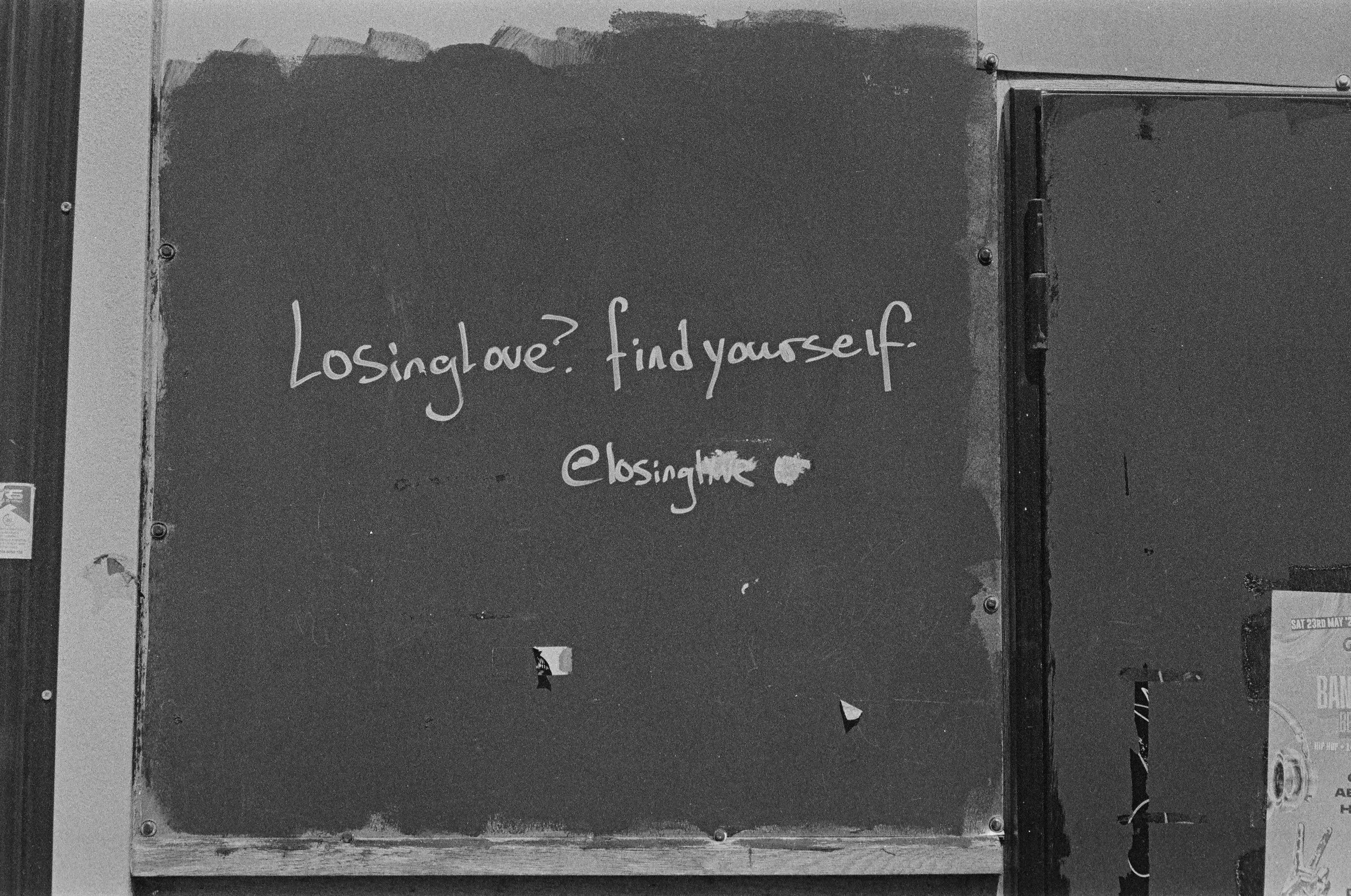
Learning to Hear Yourself Again
When you’ve been disconnected from yourself, it can be hard to know what you feel, need, or want. Learn how small moments of awareness can help you start listening to yourself again.
By Maraya Pena, Marriage and Family Therapist, Intern
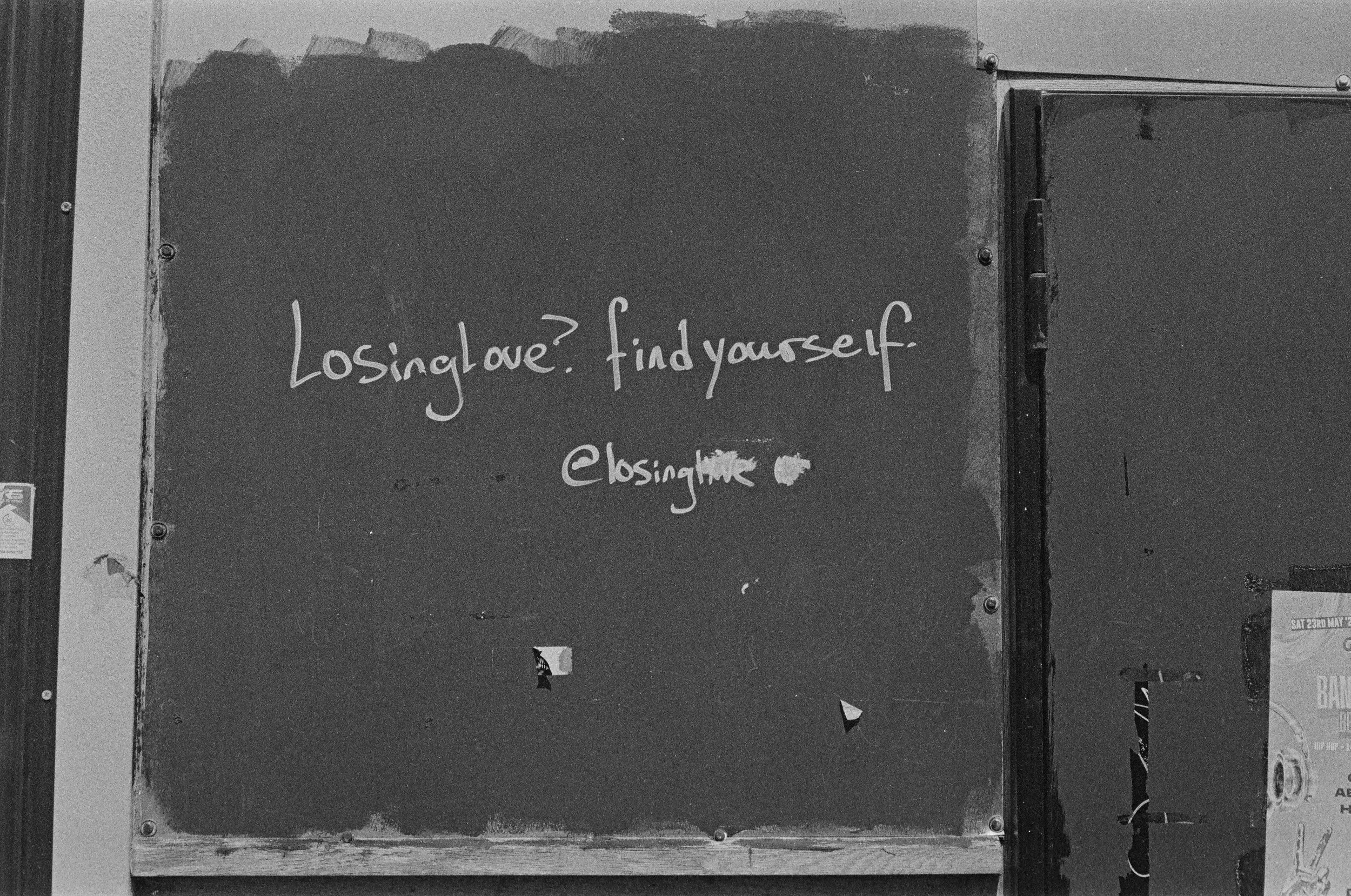
Sometimes the hardest part of coming back to yourself is realizing you don’t always know what you feel, what you need, or what you want. Even a step further, you don’t always know what would actually feel supportive. This can sound like:
“I don’t know”
“It’s fine”
“Whatever works”
“I’m just tired”.
At times, those statements might be true. In other instances, our autopilot kicks in and those responses could be a signal that your inner voice has gotten harder to hear.
Looking Outward
If you’ve spent a lot of time paying attention to what other people need, expect, or feel, it can become automatic to look outward before you check in with yourself. For example, you might scan someone else’s mood before naming your own, think about how they’ll respond before deciding what you want to say, or even adjust yourself so quickly that you don’t even realize you had a preference.
You’ve practiced listening to everything around you first, and over time this can make it harder to hear yourself clearly.
I heard someone say once “the perception of ourselves is usually less likely seen through our own lens first, and instead through the lens of the first two external opinions about us”.
In other words, sometimes we learn to see ourselves through other people’s reactions before we ever learn to see ourselves through our own. When you’ve spent a long time looking outward for cues, your sense of self can start to feel shaped by other people’s perceptions.
Your Inner Voice Might Start Small
Hearing yourself again doesn’t always sound like a clear, confident answer. Sometimes it starts as small internal signals such as:
a tight feeling in your chest
a sense of hesitation
a little resentment
feeling quietly pulled toward something
a feeling of ease when something is right (or unease when it feels unaligned)
These signals might not give you a full answer right away, but they matter as information that can help you begin to pay attention to yourself and naming your needs.
It’s a Marathon, Not a Race
A lot of people might experience pressure to feel like they need to rush the process. Listening to yourself is more like a marathon than a race. As previously mentioned, it’s not about getting the answer immediately or knowing exactly what is happening the first time you tune in to yourself.
It’s about building trust with yourself to keep coming back, even when the answer might feel grey or unclear. Pausing, noticing signals, and listening to the small moments of information rather than forced clarity is where you give yourself space enough to hear what is happening.
You might not know all of the answers yet, but you might know:
“something about this feels off”
“i need more time”
“I don’t want to answer right now”
“I think i need space”
Small Ways to Start Hearing Yourself Again
Learning to hear yourself again can happen through small, repeated check-ins.
You can start by asking:
What am I feeling right now?
What do I notice in my body?
I always encourage curiosity over even the smallest shifts in body language.
What feels heavy?
What feels supportive?
What am I wanting to say but holding back?
What would feel like more honesty here?
There is no pressure to answer all of them, and no “right or wrong” answer to any of them. Just engaging in one question, without shifting to shame or judgement, can create a little more space between autopilot and awareness.
Different Ways to Connect
Hearing yourself again doesn’t only happen through one avenue like journaling or deep reflection (although these steps and practices are part of the process) because you are layered, so it makes sense that your self-connection can be layered too.
Sometimes you hear yourself more clearly through things like: music, movement, rest, creativity, silence, or noticing what gives you energy and what drains you.
The point being, there isn’t one right way to start the process and the goal isn’t to force clarity, but more so engage in curiously to notice.
A small shift you can try:
The next time you hear yourself say “I don’t know” take a pause. Instead of pushing for an answer, try asking:
“If i did know, what might I be feeling?” or “ what is the smallest thing I can notice right now"?
Maybe its a feeling, a body cue, a preference, or maybe its only uncertainty and that is still information.
Final Thoughts
At first, listening to yourself might feel unfamiliar. You may second-guess what you notice or wonder if your needs are valid. You might experience guilt for having a preference. That doesn’t mean you are doing it wrong, but it means that practice is happening and building trust with yourself happens each time you pause, notice, and listen with a little bit more care.
Your inner voice might be quiet right now, but quiet doesn’t mean absent.
Ready to Take the Next Step?
If this resonates with you, therapy can be a place to begin reconnecting with yourself in a deeper and more intentional way. Whether you are feeling stuck in old patterns, disconnected in your relationships, or unsure of who you are in this season of life, support is available.
Reach out through the contact page to schedule a consultation and take your next step toward healing.

About The Author
Maraya Pena is the founder of One Percent Counseling, LLC. She helps individuals and couples navigate anxiety, relationship challenges, emotional overwhelm, and life transitions with greater clarity, self-awareness, and connection. Her approach is grounded, compassionate, and focused on helping clients create meaningful change one step at a time.

Start Small: Coming Back to Yourself in Everyday Moments
Coming back to yourself doesn’t require a big life change. Learn how small, everyday moments can help you reconnect with your needs, preferences, and sense of self—one step at a time.
By Maraya Pena, Marriage and Family Therapist, Intern

When people think about “finding themselves” or “coming back to themselves”, it can feel like something big. Naturally, you might be waiting for a realization, a major life shift, or a sign or moment where everything becomes clear.
In reality, while those huge moments can definitely happen along the way, most of the time coming back to yourself feels much quieter.
It Starts in Small Moments
Seeds of reconnection generally happen in the day to day moments, conversations and routines. You might remember in the first blog series of exploring self-loss, we discussed the importance of moments like:
pausing before you automatically say “yes”
noticing when something feels off
choosing what you actually want instead of defaulting
taking a breath before reacting
While these moments can feel small and not necessarily like a huge revelation, they are the building blocks of how you begin to reconnect with yourself.
Why It Can Feel Hard
If you have spent a lot of time focused on others and what they need, what they expect, and how they might respond, it makes sense that your own voice might feel quieter or “got lost in the weeds”.
Some signs of internal disconnection can look like:
you aren’t sure what you want
you go along things without thinking (autopilot)
you respond quickly, then question it later
If you have or are currently experiencing any of these things, that doesn’t mean anything is wrong with you. You might have gotten used to looking outward, and the multilayered parts of you are going unnoticed.
Coming Back To Yourself Doesn’t Require Clarity
A lot of people might think: “once i know exactly what i need, then I’ll start.”
It actually usually works the other way around through the lens of curiosity.
Clarity can come after you start getting curious about your needs and paying attention to yourself. You don’t need to have everything figured out to begin reconnecting with yourself.
What 1% Steps Can Look Like
Starting the process of coming back to yourself can start with freeing yourself of any internal expectations of perfection or what “it’s supposed to look like”.
It can start by pausing and noticing “What do I want here?” and letting yourself choose something you want. But its important to be aware that we aren’t meant to connect to ourselves in just one way.
As people, we aren’t one dimensional, but rather layered with thoughts, emotions experiences, and different parts of ourselves that don’t show up the same way every time. So it makes sense that reconnecting with yourself won’t look one way either.
Back to the idea of curiosity and staying open minded to experiencing new moments or things like:
creativity
movement
music
being in nature
moments where you feel a little more like yourself
You might even notice yourself more when you are:
writing something without overthinking it
listening to a song that resonates
moving your body in a way that feels natural (for me that is slow walks)
doing something that brings a sense of ease like a hobby you used to love
The point is, there isn’t one “right way” to reconnect. Just putting down what feels heavy and picking up what feels more aligned and noticing what feels more like you.
Final Thoughts
Coming back to yourself isn’t about becoming someone new, but maybe more about noticing what is already there and giving it a little more space and curiosity even if it feels unfamiliar at first. You don’t always need a huge breakthrough to reconnect with yourself, just one moment and then another, one percent at a time.
Ready to Take the Next Step?
If this resonates with you, therapy can be a place to begin reconnecting with yourself in a deeper and more intentional way. Whether you are feeling stuck in old patterns, disconnected in your relationships, or unsure of who you are in this season of life, support is available.
Reach out through the contact page to schedule a consultation and take your next step toward healing.
About The Author
Maraya Pena is the founder of One Percent Counseling, LLC. She helps individuals and couples navigate anxiety, relationship challenges, emotional overwhelm, and life transitions with greater clarity, self-awareness, and connection. Her approach is grounded, compassionate, and focused on helping clients create meaningful change one step at a time.